
REVIEW · MOROCCO
From Seville: 2, 3, or 4-Day Morocco Trip with Ferry & Guide
Tangier is the star here: Europe is less than an hour away by ferry, yet the medina, Kasbah, souks, and Moroccan food feel like a real change of scene. I like the simple route from Seville, with road transport, ferry tickets, local guides, meals, and riad stays handled for you. I also like the choice of three lengths, especially the chance to add Chefchaouen or Tetouan.
The main caution is guide communication. One English-speaking booking reported poor help and too much being dropped off and picked up without clear explanation. If you want close support at every step, confirm the guide language and daily arrangements before paying.
Key points to know before booking
- A short Strait of Gibraltar crossing: Drive from Seville to Tarifa, then take a ferry of less than an hour to Tangier.
- Tangier’s main sights in one day: See the Kasbah, Medina, colorful souks, Hercules Caves, and views toward Spain.
- Chefchaouen is the big reason to choose three days: The Blue Pearl adds mountain scenery, blue-painted lanes, a guided visit, lunch, and a riad night.
- Tetouan adds a more historic city stop: The four-day plan includes its UNESCO-listed Medina and strong Andalusian influence.
- The price covers important basics: Transport from Seville, ferry travel, breakfasts, traditional lunches, guided visits, and riad accommodation are included.
- Bring the correct documents: You need a passport or ID card, and you must check Morocco’s entry rules for your nationality.
From Seville to Tarifa and across the strait
The trip begins in Seville, where you meet the tour leader at a designated point before heading south through Andalusia. The drive to Tarifa is part of the transport package, so you do not need to arrange a separate bus, car, or port transfer.
At Tarifa, you board the ferry for Tangier. The crossing takes less than an hour, making this one of the easiest ways to add Morocco to a Seville trip. The Strait of Gibraltar is narrow here, but the border crossing still matters. Keep your passport or accepted ID ready, and check visa requirements before departure.
This is not a trip for people who want to move at their own pace from the first minute. You are joining a set route with a meeting point, shared transport, a ferry, and local guides. That structure is useful if the idea of combining Spain and Morocco on your own feels like too much work.
The advertised price is $352 per person. Its value depends on the length you choose and the date, so check the exact price for the two, three, or four-day option. Transport, ferry travel, riad accommodation, breakfasts, traditional lunches, and guided visits form a useful package. Dinners and personal spending are extra, and visa costs are not included.
Other ferry trips people book around Morocco:
- From Tarifa: Tangier Day Trip with Lunch and Ferry
★ 4.3 · 631 reviews - Tangier Private Day Tour From Tarifa Including Ferry & Camel Ride
★ 5.0 · 282 reviews - Tangier Private Full Day Tour Including Ferry Ticket & Camel Ride
★ 5.0 · 58 reviews
Tangier’s Kasbah, Medina, and old streets
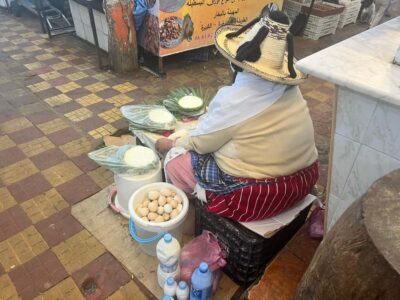
Tangier gives you the quickest taste of Morocco. Once you meet the local guide, the main visit takes in the Kasbah and Medina, the old quarters where narrow lanes, shops, homes, and small food businesses create the city’s strongest sense of place.
The Kasbah is the elevated historic district. From its viewpoints, you can look across the Bay of Tangier and toward the Spanish coast. That view helps explain the city’s character: Tangier has always been shaped by its position between Europe and North Africa.
The Medina brings a different kind of interest. You will walk through souks with local crafts and souvenirs, though the information provided does not give a fixed list of shops or exact shopping time. If you want to buy something, keep your first walk as an introduction rather than spending your whole budget at the first stall.
The visit also includes the Hercules Caves, a well-known site linked with Moroccan mythology. Their coastal setting gives the stop a change of pace after the old city streets. The caves are not simply another indoor sight, but part of Tangier’s connection with the sea and its old stories.
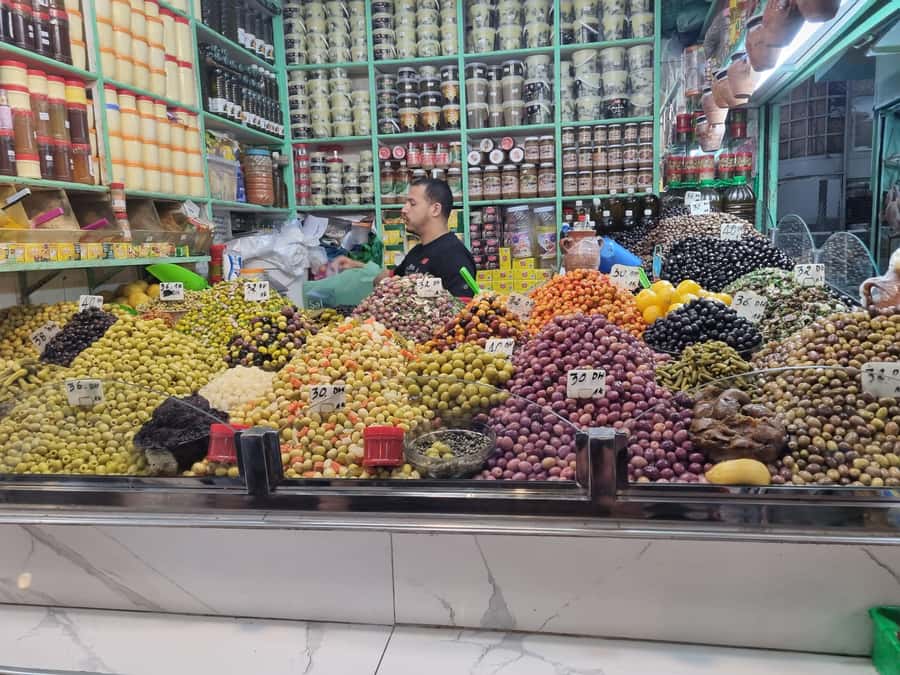
A traditional Moroccan lunch is included. This is a real saving, since food is one of the pleasures of the trip and the meal gives you a chance to try local cooking without choosing a restaurant on your own. Dinners are not included, so you will need money and free time for evening meals.
After the guided portion, you have time to rest, shop, or explore Tangier independently. That free time is useful, but the amount is not specified. Ask the provider how the day is divided if independent exploration is important to you.
What a riad stay adds to the trip
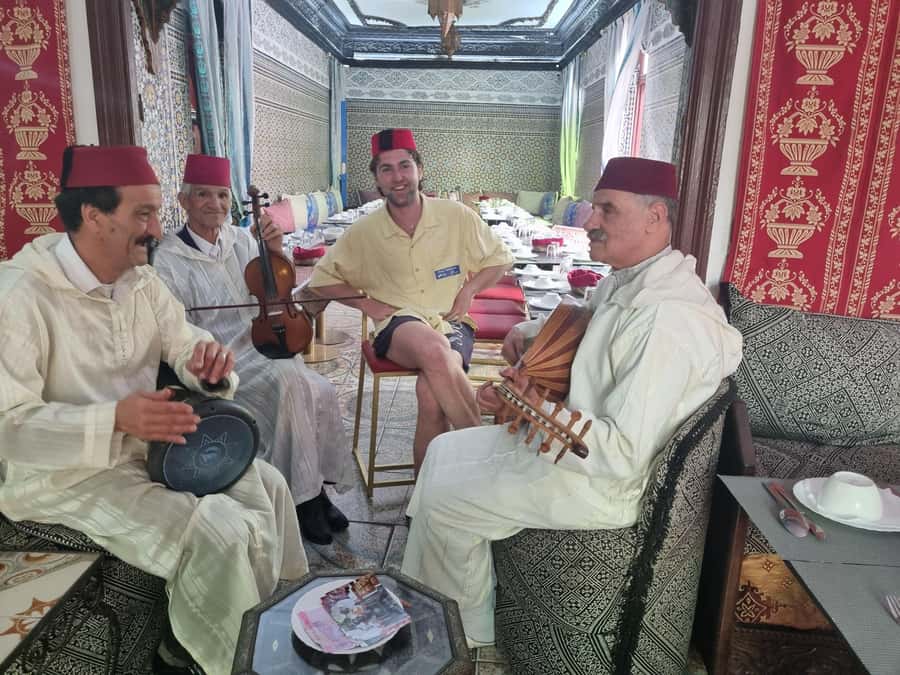
Accommodation is arranged in traditional riads. A riad is a house built around an interior courtyard, and it usually feels more connected to the old quarters than a standard chain hotel.
The exact riads are not named, so do not book this expecting a particular property or room style. The description promises cozy, traditional accommodation, but room layouts and facilities can vary. If you need a specific standard, ask before booking.
Breakfasts are included. This helps keep the basic cost under control, especially on the longer options. Since dinners are not covered, plan for evening food separately and remember that personal expenses are also your responsibility.
The riad nights matter most on the three and four-day plans. They break up the road travel and let you spend a night in Chefchaouen or Tetouan rather than treating each place as a rushed stop from Tangier.
Choosing the two-day Tangier plan
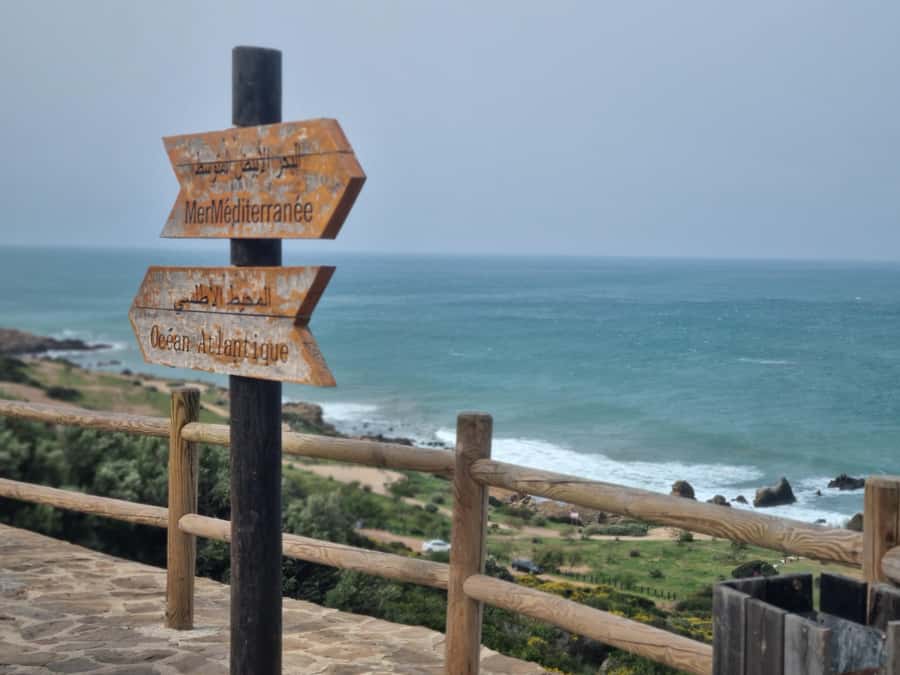
The two-day option is the practical choice if you have limited time. You get the Tangier visit, including the Kasbah, Medina, souks, Hercules Caves, views, and a traditional lunch, then time to relax before returning to Seville.
This option works well for a first taste of Morocco. It keeps the route focused and avoids adding long road journeys into the Rif Mountains. If your main aim is simply to cross from Spain, see Tangier, eat Moroccan food, and return without extending the trip, two days is enough.
The tradeoff is clear: you see less of northern Morocco. Chefchaouen is not included, and you do not reach Tetouan. The second day is described as relaxed, so the value depends on how much independent time you want and how clearly the return schedule is explained.
I would choose this plan for a short Seville holiday, especially if Morocco is an addition rather than the main purpose of your trip. It is also the safer choice if you dislike changing accommodation more than once.
A few more ferry trips around Morocco worth a look
- Fort Sumter Admission and Self-Guided Tour with Roundtrip Ferry
★ 4.5 · 3,343 reviews - San Francisco: Alcatraz Ticket, Ferry, & Self-Guided App
★ 4.5 · 2,460 reviews - From Naples: Capri Guided Tour with Ferry Tickets & Minibus
★ 4.5 · 2,366 reviews - Statue of Liberty and Ellis Island Guided Tour with Ferry
★ 4.5 · 2,189 reviews
Adding Chefchaouen on the three-day route
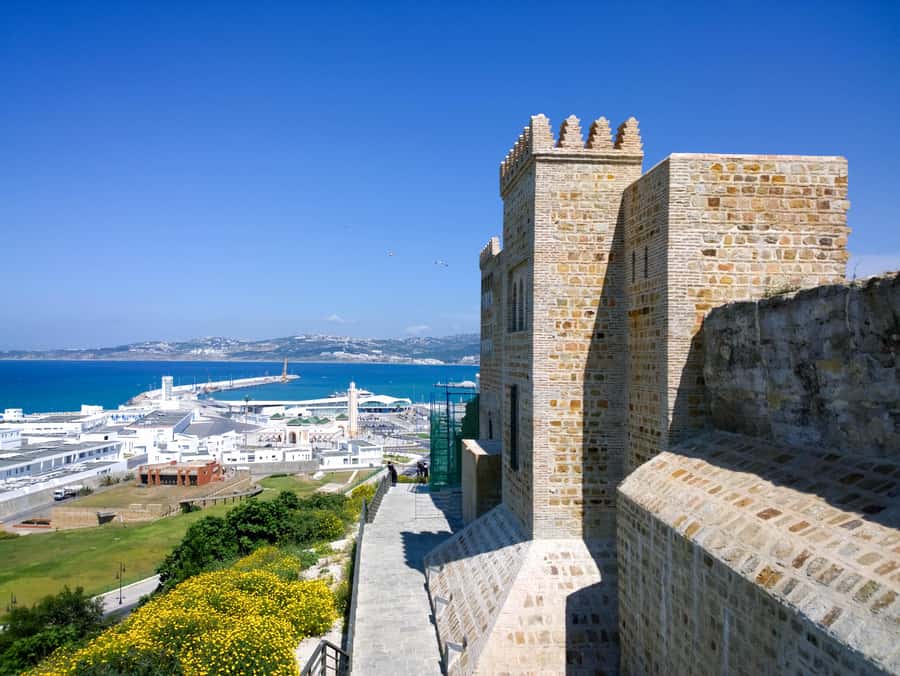
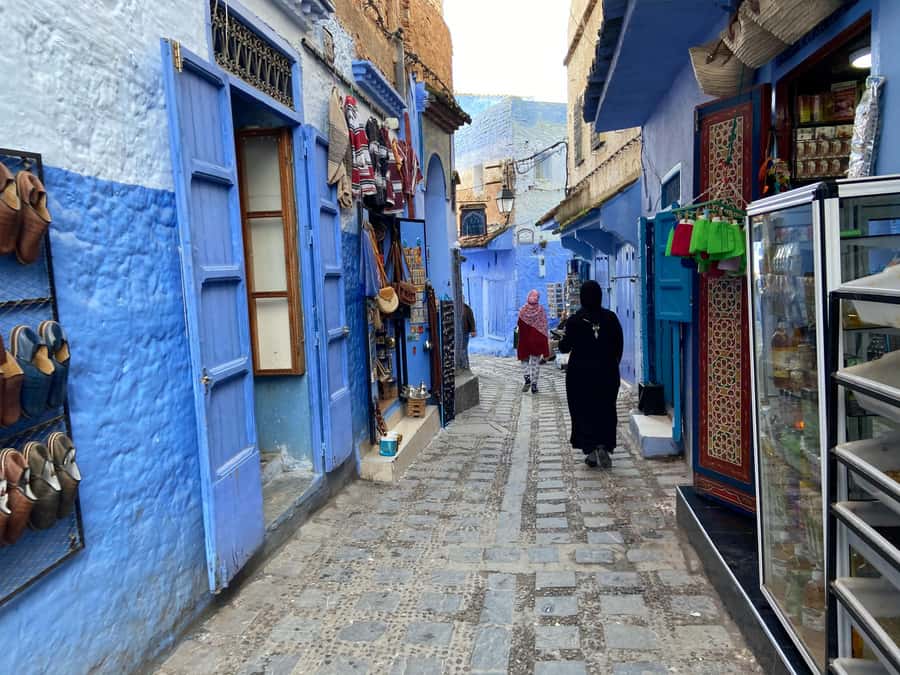
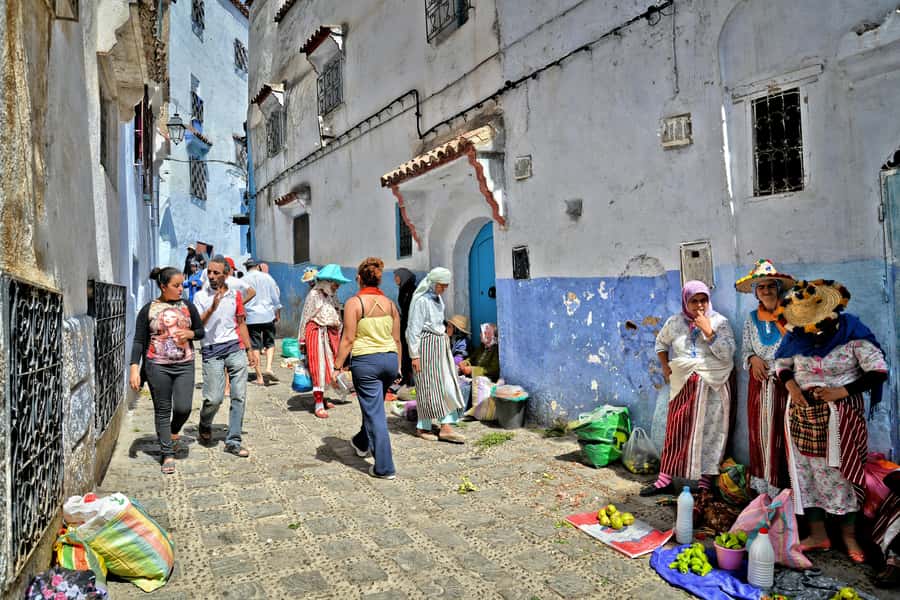
Chefchaouen is the strongest reason to select the three-day version. On the second day, you continue into the Rif Mountains to reach the town known for its blue-washed walls, quiet mood, and narrow lanes.
The color is the obvious attraction, but the setting gives the visit its character. Chefchaouen feels very different from Tangier, with mountain surroundings and a slower rhythm. The guided tour helps you find the main areas without spending your limited time guessing which lanes lead where.
A traditional Moroccan lunch is included in Chefchaouen, and you spend the night in a riad. That overnight stay is important. A quick stop could give you photographs and little else, while a night allows some time to appreciate the town after the main visit.
The route also adds travel time. You are not simply extending a Tangier city break by one easy day. You are going farther inland, so the three-day option suits you if Chefchaouen is a priority and you are comfortable with more time on the road.
The strongest praise attached to this experience focused on Chefchaouen, described as the best part of the trip and especially good value. That matches the structure of the route: Tangier is convenient, but Chefchaouen is the stop most likely to make the extra day feel worthwhile.
Continuing to Tetouan on the four-day plan
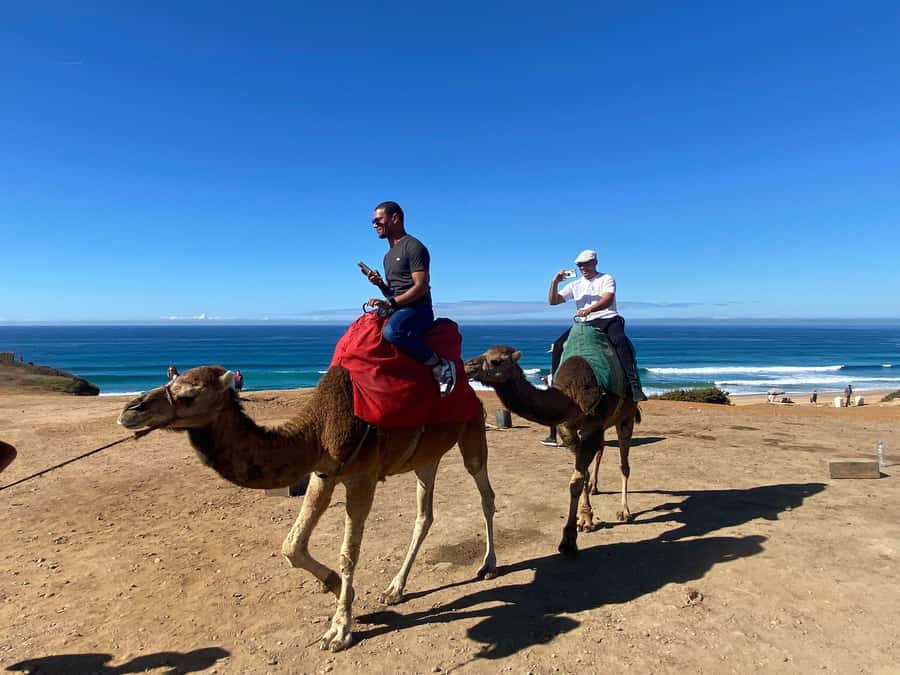
The four-day option completes the northern route with Tetouan. After Chefchaouen, you visit this UNESCO-listed city, whose culture and architecture show a strong Andalusian influence.
Tetouan’s historic Medina gives you another view of northern Morocco. It is not simply a repeat of Tangier. The city offers a different urban setting and a chance to learn about local life through a guided walk.
A meal at a well-known Moroccan restaurant is included during the Tetouan visit. As with the other lunches, this gives the day a clear pause and removes some of the guesswork from finding food in an unfamiliar city.
You spend the night in another traditional riad, then return via Tangier on the final day. This is the fullest route, but also the one with the most movement. Choose it because you want several northern Moroccan places, not because you expect a slow holiday based in one town.
The four-day plan is best for you if Tetouan matters as much as Chefchaouen. If the blue town is your only must-see, the three-day version may give you the better balance of time, cost, and road travel.
Guides, languages, and the level of support
The tour offers guides in Italian, Spanish, English, and French. That range is helpful, but language availability can depend on the date and the guide assigned to your group. The published information does not provide guide names.
This point deserves attention because the experience depends heavily on communication. One booking made for an English-speaking tour reported that the promised level of English guidance was not delivered and that the arrangements felt like repeated drop-offs and pickups rather than a clearly explained tour.
That does not prove every departure will work the same way, but it is a sensible warning. Contact the provider before booking and confirm the guide language, pickup time, meeting point, and how much of each day is guided. Ask if the same person accompanies you throughout or if a Moroccan guide takes over after the ferry.
The tour leader and local guide serve different practical purposes. The first helps with the Seville departure and transport, while the local guide provides the Tangier, Chefchaouen, or Tetouan visits. Knowing that division can make the trip easier to follow.
Is $352 good value?
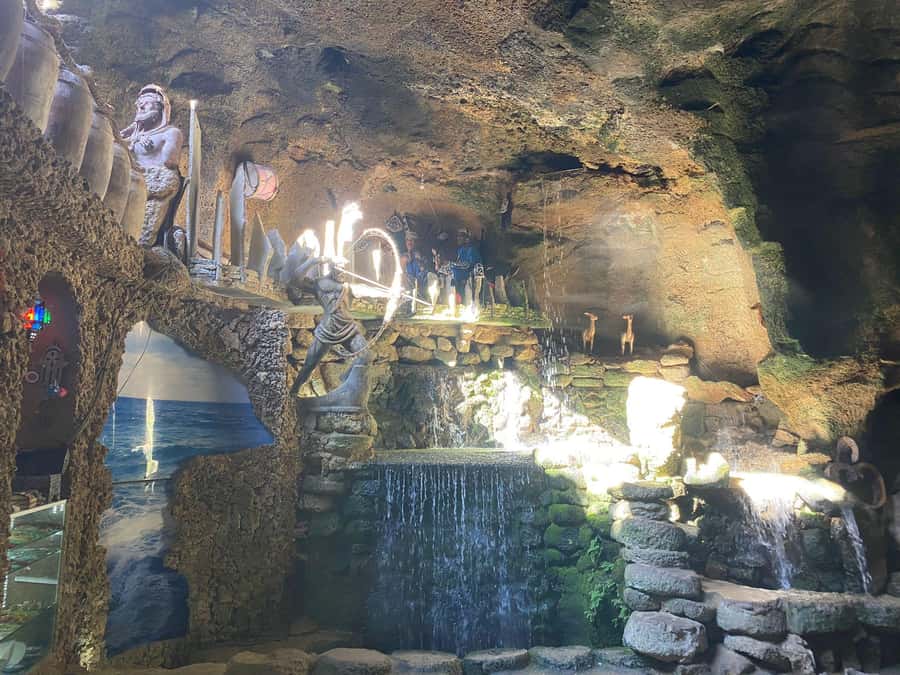
At $352 per person, the package can be good value if you would otherwise pay separately for Seville transport, the Tarifa to Tangier ferry, accommodation, meals, and local guiding. The inclusion of breakfasts and traditional lunches helps, particularly on the three and four-day plans.
Still, the advertised price alone does not tell you which option it applies to. Confirm the exact cost for your chosen duration and date. Also budget for dinners, drinks, souvenirs, and any personal purchases in the souks.
The package is most useful for someone who values convenience. You are paying to avoid arranging the road transfer, port connection, ferry, Moroccan transport, riads, and city visits yourself. Independent visitors may find a self-planned trip more flexible, but they would need to manage the border crossing and connections on their own.
The value drops if you want a private, highly tailored experience. The route is fixed enough that you should expect a planned group journey, not a custom Morocco itinerary.
Practical matters before you go
Bring your passport or ID card. Check Morocco’s visa and entry rules based on your nationality well before the departure date. The operator places responsibility for documents and border entry with you.
Pickup is included, but you must contact the provider to confirm the pickup time. Do not assume that the meeting point or departure hour is obvious from the booking alone.
Free cancellation is available up to 24 hours in advance for a full refund, and the reserve-now, pay-later option gives you some flexibility. Pets are not allowed. These details are small, but they matter when you are fitting Morocco into a larger Spain itinerary.
Pack for movement rather than a resort stay. You will use road transport, a ferry, city streets, and old medina lanes. Comfortable walking shoes and a small day bag are sensible, though the supplied information does not specify a required packing list beyond your identification documents.
Who should book this Morocco trip?
I would recommend it to you if you are based in Seville, want a guided first visit to northern Morocco, and prefer one booking to handle the main transport and lodging. It is especially suitable if you want Tangier without arranging a ferry crossing yourself.
Choose two days for a compact introduction. Choose three days if Chefchaouen is the main attraction. Choose four days only if you also want Tetouan and are happy to spend more time moving between cities.
I would hesitate if you need guaranteed English support, a tightly explained schedule, or full control over your time. Confirm the guide language and route details first. If the provider gives clear answers, the trip offers a practical way to cross from Andalusia into Morocco and see more than Tangier alone.
FAQ
How long is the Morocco trip from Seville?
You can choose a two, three, or four-day itinerary.
Where does the trip begin?
The experience begins in Seville at a designated meeting point, with pickup included after you confirm the time with the local provider.
How do I reach Morocco?
You travel by road from Seville to Tarifa, then take a ferry across the Strait of Gibraltar to Tangier. The ferry crossing takes less than an hour.
What sights are included in Tangier?
The guided Tangier visit includes the Kasbah, Medina, colorful souks, Hercules Caves, and views of the Bay of Tangier and the Spanish coastline.
Is Chefchaouen included in every option?
No. Chefchaouen is included with the three-day option and the four-day option, but not the two-day itinerary.
Is Tetouan included in every option?
No. Tetouan is included with the four-day option only.
Are meals included?
Traditional Moroccan lunches and breakfasts are included. Dinners are not included, and personal expenses are separate.
Where do I stay?
Accommodation is provided in traditional riads. The exact properties are not specified.
Which languages are offered by the guides?
Guiding is offered in Italian, Spanish, English, and French. Confirm the available language for your departure before booking.
What documents do I need?
Bring your passport or ID card. You are responsible for checking visa requirements for Morocco based on your nationality.
Just added around Morocco
- Private Tangier Tour from Ferry /Cruise ship Including Lunch★ 3.8 · 12 reviews
- Tarifa to Tangier Tour with ferry ticket , lunch & camel ride★ 5.0 · 7 reviews
- Full day Tangier Tour from Cruise or ferry from tarifa★ 4.5 · 5 reviews
- Luxury day in Tangier from Tarifa including ferry & camel ride ….★ 5.0 · 10 reviews
- Private Tangier Day Trip from Tarifa with Ferry and Camel Ride★ 5.0 · 10 reviews
- Private Tangier Tour from ferry cruise ship including lunch.★ 4.4 · 7 reviews
- From Marbella: Tangier Day Trip with Ferry, Camel & Souks★ 5.0 · 3 reviews
- From Malaga: Tangier Day Trip with Ferry, Camel & Souks★ 5.0 · 3 reviews
Morocco Ferry Trips, compared.
Tangier Private Day Tour From Tarifa Including Ferry & Camel Ride
Read our review →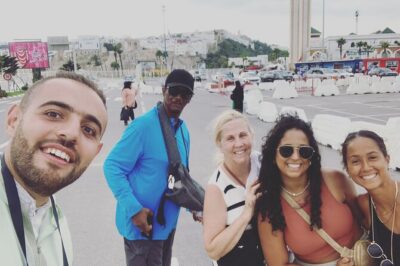
Tangier Private Full Day Tour Including Ferry Ticket & Camel Ride
Read our review →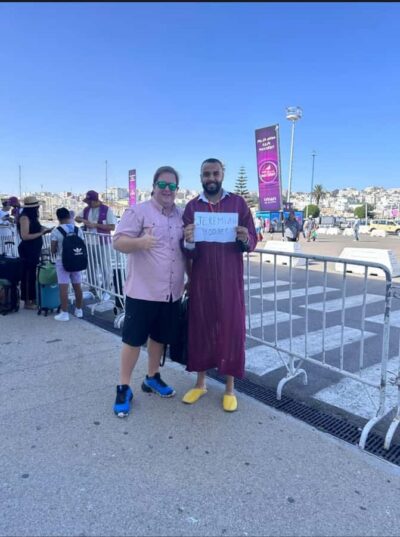
Tarifa/Algeciras: Tangier Private Day Tour with Ferry Ticket
Read our review →
Private Tangier Tour from Ferry or Cruise Ship Including Lunch
Read our review →
Private Tangier Tour from Ferry /Cruise ship Including Lunch
Read our review →
Private Tangier Day Trip from Tarifa with Ferry and Camel Ride
Read our review →
Luxury day in Tangier from Tarifa including ferry & camel ride ….
Read our review →Browse the lists this tour appears in