
REVIEW · AUCKLAND
Auckland: Tiritiri Matangi Island Ferry
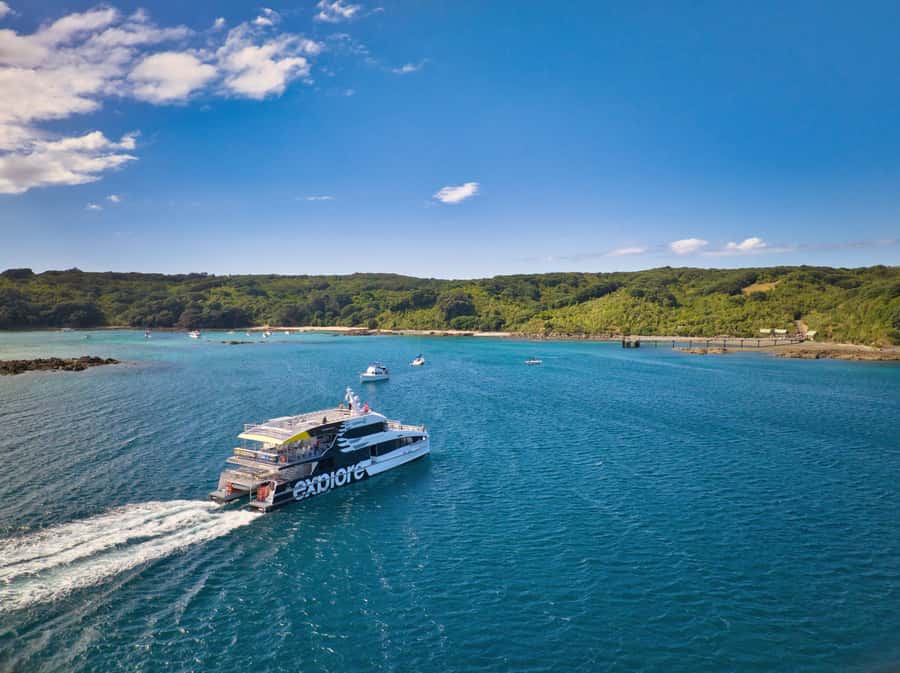
Tiritiri Matangi is one of Auckland’s best day trips for seeing New Zealand wildlife in the wild. This pest-free island sanctuary gives native birds and tuatara a safer home, and the birdsong can begin before you reach the first track. Kōkako, tīeke, takahē, and tuatara are the big prizes.
I like the 80-minute cruise across the Hauraki Gulf, which makes the island feel properly removed from Auckland, and I like the choice of pace once you arrive. You can join a guided walk, follow the tracks on your own, visit the lighthouse, or finish with a swim at a sandy beach.
The main drawback is time. You have roughly four and a half to six hours on the island, depending on the sailing, and that can feel short if you want to walk several tracks, watch birds, visit the beach, and take a guided tour.
Key points to know before you go
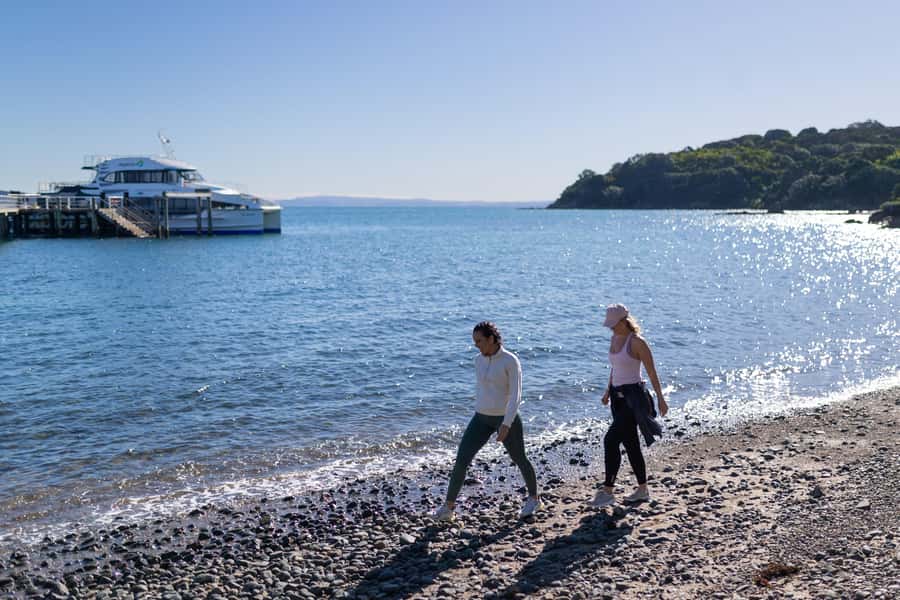
- The ferry takes about 80 minutes from Auckland, or only 25 minutes from Gulf Harbour.
- Tiritiri Matangi is pest-free, so native species have a better chance to thrive and can often be seen close to the tracks.
- The lighthouse is the oldest working lighthouse in New Zealand, making it an easy landmark near the main visitor area.
- You can swim or snorkel, but you need to bring your own swimwear and towel.
- There are no food outlets on the island, so pack lunch, snacks, and water in a sealed container.
- The island is for walkers, with comfortable shoes essential and wheelchair access not suitable for this activity.
Why Tiritiri Matangi feels different from an Auckland day trip
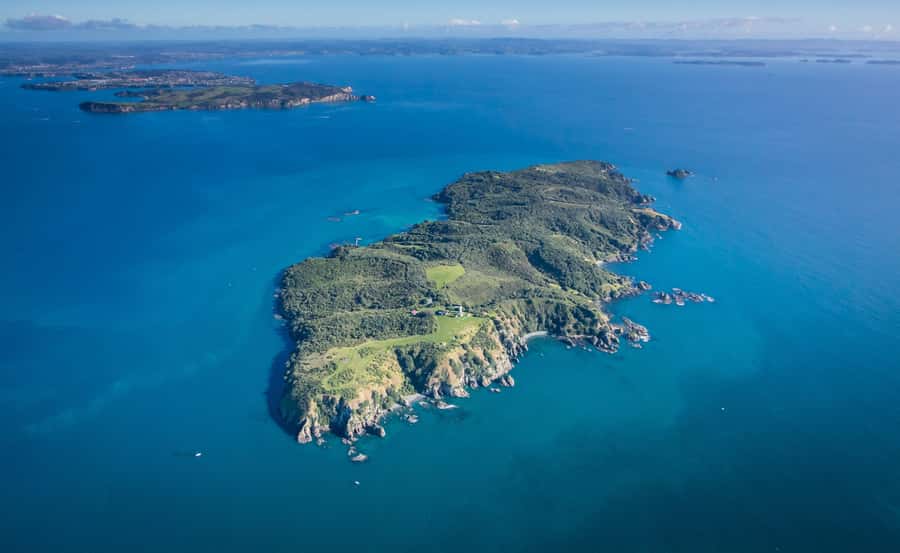
Auckland is close enough for an easy ferry ride, but Tiritiri Matangi feels far more remote than the distance suggests. Once the boat leaves the city or Gulf Harbour, you trade traffic and buildings for open water, rocky coastline, and the promise of native birds in regenerating forest.
The island is a conservation project as much as a sightseeing stop. Its pest-free status creates a safer place for species that are difficult to see elsewhere around Auckland. That does not mean every rare bird will appear on cue, but it does improve your chances of hearing and seeing wildlife in a natural setting.
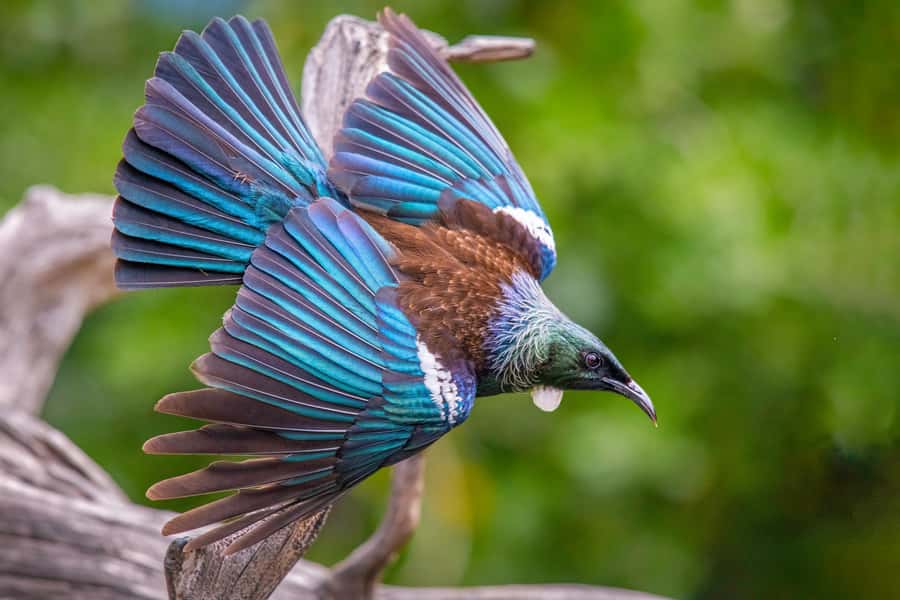
The birds are the real reason to come. Kōkako, tīeke, takahē, and tuatara are among the species associated with the island. You might also spot punga wētā, a large native insect that has delighted more than one visitor. The best moments are often small ones: a bird moving through low branches, a call from the bush, or a tuatara resting quietly beside the track.
You should set your expectations correctly. This is not a zoo, and there are no guarantees. The appeal comes from looking carefully and allowing time for the island to reveal itself.
More Island Ferry Trips in New Zealand:
- Auckland to Rangitoto Island Ferry
★ 4.0 · 109 reviews - Rotoroa Island Ferry – from Auckland
★ 5.0 · 8 reviews - Cape Town: Robben Island Ferry Ticket and Guided Prison Tour
★ 4.1 · 1,792 reviews
The ferry from Auckland or Gulf Harbour
From Auckland, the ferry leaves from the central ferry area near the Maritime Museum. Check in at the Explore booking kiosk, diagonally opposite the museum, and arrive 30 minutes before departure. The standard crossing takes about 80 minutes each way.
The Wednesday to Friday schedule lists a 9:00 am departure from Auckland, arrival at Tiritiri Matangi at 10:20 am, and a return reaching Auckland at 4:00 pm. On Saturdays, Sundays, and public holidays, the boat leaves earlier, at 8:30 am, reaches the island at 9:50 am, and returns to Auckland at 5:20 pm.
Gulf Harbour is the shorter option. The ferry takes about 25 minutes from there, with departures listed at 9:55 am from Wednesday to Friday and 9:25 am on weekends and public holidays. The return reaches Gulf Harbour at 3:05 pm on weekdays or 4:25 pm on weekends.
This choice matters. Auckland gives you a longer cruise and a simple central departure if you are staying in the city. Gulf Harbour cuts the time on the water and gives you more direct access if you are already on the Whangaparāoa Peninsula. Check the exact schedule when booking because departure times and meeting points depend on the option you choose.
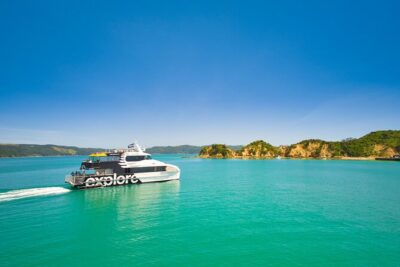
The ferry itself is a comfortable part of the outing, not just a transfer. There is indoor and outdoor seating, toilets, and a bar where you can buy drinks and snacks. The ride can be windy, especially outside, but it has been described as smooth and well operated. Bring a jacket even on a fine day, and choose your seat with the return journey in mind if you want to spend time outdoors.
Arriving at the island sanctuary
The ferry arrival marks a clear change of pace. You step ashore with several hours to walk, listen, and explore. The main visitor area includes information facilities, and a gift shop is available for small purchases. Still, do not treat this as a place where you can buy a full lunch or replace forgotten supplies.
There are no shops or food outlets for regular meals on the island, so bring lunch, snacks, and water. Keep food in a sealed container and bag. This is practical for you and important for the island’s conservation rules.
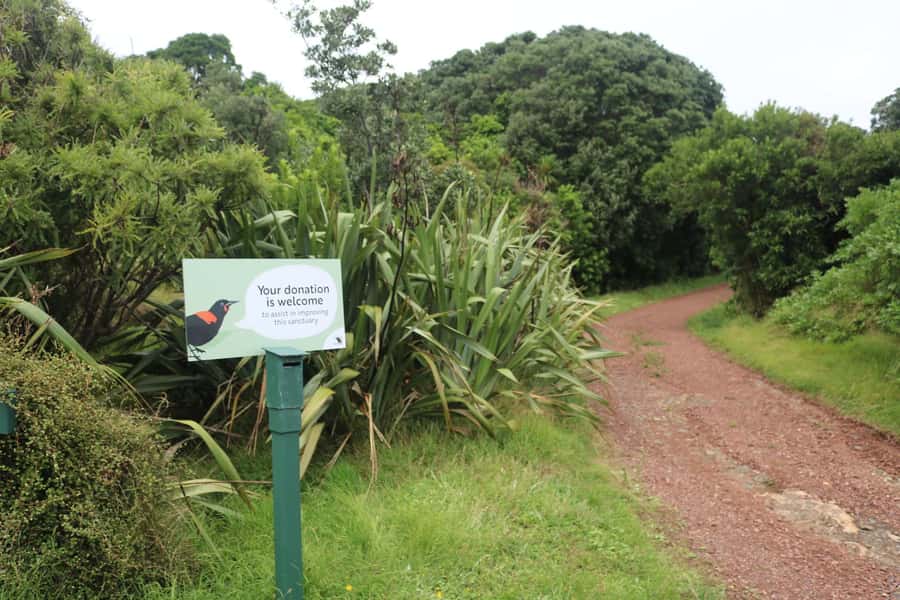
The main tracks are established and generally easy to follow, but you are still visiting a natural island rather than a paved urban park. Wear proper walking shoes. One visitor found the Hobbs Beach and Hobbs Track area confusing, so pay attention to signs and avoid taking informal shortcuts down steep slopes.
A volunteer-led walk can add much more meaning to the visit. Guides have included Vishnu, Malcolm Pullan, Tina, and Anne, all praised for their warm approach and strong understanding of the birds, plants, animals, and conservation work. Guide quality can vary with the day and the person assigned, but the presence of a good guide can turn a pleasant walk into a lesson you remember.
You may also explore independently. That gives you freedom to pause at a bird feeder, wait near a bird bath, or leave the main route when you want more quiet. If a group gathers on the central track, a smaller side track can give you a calmer place to listen.
Walking through regenerating native forest
The island’s walking tracks are the heart of the experience. You pass through regenerating native forest, open areas, cliff-top viewpoints, and routes leading toward beaches. The walking is not one single hike. It is a network of established tracks that lets you choose how much exercise and sightseeing you want.
The forest is valuable because it shows what conservation work can make possible. Tiritiri Matangi supports native species that struggle when introduced predators are present. The quiet is part of the attraction, but it is rarely empty of sound. Bird calls can follow you along the track, and the absence of city noise makes even common movements feel special.
You may see birds around feeding stations and water points, which can be useful if you want a better chance of spotting smaller species. Keep your camera ready, but do not rush. A telephoto lens is helpful, though careful observation matters more than expensive equipment.
Takahē sightings are possible but not certain. They are among the species people hope to see, along with kōkako and tīeke. You might see several species in one day, or you might come away with excellent bird calls and only a few clear sightings. That uncertainty is part of watching wildlife in a protected setting.
The island also protects tuatara. Seeing one in the wild can be a highlight, but you must keep your distance and never touch animals. Do not feed birds, handle plants, or leave litter behind. Drones, bikes, and smoking are not allowed.
A few more ferry trips around New Zealand worth a look
- Waiheke Island: Ferry & Hop-On Hop-Off Explorer Bus Tickets
★ 4.6 · 3,311 reviews - InterIslander Ferry – Wellington to Picton
★ 4.0 · 417 reviews - InterIslander Ferry – Picton to Wellington
★ 4.0 · 247 reviews - Auckland: Man O’ War Vineyard Ferry (Waiheke Island)
★ 4.3 · 10 reviews
The lighthouse, views, and island history
The lighthouse is one of the easiest goals for a first visit. Tiritiri Matangi has the oldest working lighthouse in New Zealand, and its position gives you a strong sense of the island’s role in the Hauraki Gulf.
The lighthouse is not the only reason to walk there. The route helps you get your bearings, and nearby open areas provide broad coastal views. On a clear day, the contrast between forest, cliffs, water, and distant islands gives the trip a memorable visual centre.
The conservation story adds weight to the stop. The island is not simply attractive because of its beaches and views. It represents years of effort to restore native habitat and protect endangered species. The information centre can help you understand that work before you set off on the tracks.
If your guide is someone like Malcolm Pullan, the history and natural details may become a major part of the day. He has been praised for explaining birds, plants, animals, and the island’s past in a way that keeps a walking group engaged. Other guides, including Vishnu, Tina, and Anne, have also been singled out for helping visitors notice more and stay connected as a group.
Beaches, swimming, and the final hour
Tiritiri Matangi offers quiet sandy beaches, including Hobbs Beach. Bring swimwear and a towel if you want to swim or snorkel. This is a welcome option after walking, especially on a warm day, but it should be treated as one part of the outing rather than the main purpose.
Beach access can involve walking on tracks and slopes, so do not assume you can reach the shore in ordinary sandals. One useful tip is to allow time for finding the correct trail. The Hobbs area has caused confusion for some walkers, and an incorrect route can lead to a steep climb back toward Ridge Road.
I would plan the day in this order: take a guided walk or visit the lighthouse early, explore another track while you still have plenty of energy, then leave time for the beach and visitor area. If you save every walk for the last hour, the return boat can feel uncomfortably close.
On weekends and public holidays, the later return gives you more island time. That is useful if you want a swim or several walks. Weekday departures return earlier, so check the timing before choosing a route.
Is the $65 price good value?
At $65 per person, the price is fair for a full island day with ferry transport from Auckland, access to the tracks, and swimming and snorkeling opportunities. You are paying for the boat, the protected destination, and the chance to see native species in a setting designed for their survival.
The value is strongest if you enjoy nature, walking, photography, or conservation. The ferry ride alone would not justify the cost for me, but combined with several hours on Tiritiri Matangi, the lighthouse, native forest, beaches, and possible sightings of rare species, it makes a strong day out.
The value is weaker if you dislike boats, do not want to walk, or expect a tightly scheduled sightseeing tour with guaranteed animal sightings. You are responsible for making good use of your island time, including packing food and choosing tracks that fit your energy.
The high rating of 4.7 from 133 bookings reflects a consistent pattern: the ferry is comfortable, the island is beautiful, and the guides and volunteers can add a lot. There are still practical limits. One person found the booking system awkward on a phone or tablet, and another wished for more time on the island. Those are small issues, but they matter when planning.
Who should book this island trip?
I would recommend it most strongly to birdwatchers, families with older children, walkers, photographers, and anyone who wants a nature break from Auckland. It also suits people who like conservation projects and do not need constant entertainment.
Older walkers can enjoy the island, but the tracks still require effort. One 71-year-old visitor found the outing tiring while managing an injured ankle. Comfortable shoes, sunscreen, a hat, water, and sensible pacing will make a difference.
This is not suitable for wheelchair users, and it is not a good choice if you need guaranteed flat paths. You also need to be comfortable carrying your lunch and supplies, since there are no island food outlets.
Practical advice for a better day
- Arrive 30 minutes early at the correct departure point.
- Pack lunch, snacks, and plenty of water in sealed containers.
- Bring a hat, sunscreen, camera, swimwear, and towel.
- Wear comfortable walking shoes, not casual beach footwear.
- Check the weather before leaving. Rain and wind can change the feel of the ferry and tracks.
- Keep food away from wildlife and follow the island rules.
- Allow extra time for the beach route, especially around Hobbs Beach.
- If you want a quieter walk, use the smaller tracks rather than staying with the largest group.
- Keep the return sailing in mind. The boat will not wait while you finish one more trail.
Cancellation is free up to 24 hours before departure, and you can reserve now and pay later. Those terms help if the weather forecast is uncertain, but you should still check conditions before setting out.
Should you book the Tiritiri Matangi ferry?
Book this trip if you want a full day of native birds, quiet tracks, conservation, and open water within easy reach of Auckland. The best parts are the chance to see species such as kōkako, tīeke, takahē, or tuatara, the peaceful birdsong, and the freedom to choose between guided and independent walking.
Skip it if you want a short, effortless attraction, a guaranteed wildlife checklist, or a fully catered day. For everyone else, the $65 fare buys more than a ferry ride. It gives you access to a carefully protected island where the scenery, silence, and rare wildlife all work together.
FAQ
How long is the ferry ride from Auckland?
The ferry takes about 80 minutes each way from Auckland’s central ferry departure point.
How long is the ferry ride from Gulf Harbour?
The crossing from Gulf Harbour takes about 25 minutes each way.
What animals can I see on Tiritiri Matangi?
You may see native and endangered species including kōkako, takahē, tīeke, and tuatara. Sightings are not guaranteed because the animals live freely on the island.
Can I swim or snorkel on the island?
Yes. Swimming and snorkeling are available at the island’s quiet sandy beaches. Bring your own swimwear and towel.
Is food available on Tiritiri Matangi?
No. There are no food outlets on the island, so bring your own lunch, snacks, and drinks in a sealed container and bag. Snacks and drinks may be available for purchase on the ferry.
What should I bring?
Bring comfortable walking shoes, a hat, sunscreen, water, snacks, a camera, swimwear, and a towel.
Where do I check in for the Auckland departure?
Check in at the Explore booking kiosk diagonally opposite the Maritime Museum, and arrive 30 minutes before departure.
Is the trip suitable for wheelchair users?
No. This activity is not suitable for wheelchair users.
Just added around New Zealand
- Kepler Track Water Taxi★ 5.0 · 43 reviews
- Ocean Adventure: Fast Boat to the Hole in the Rock★ 4.5 · 35 reviews
- Waiheke Reserve Ferry Service to Waiheke Island★ 4.5 · 9 reviews
- Man O’ War Winery on Waiheke Island – Ferry from Auckland★ 3.0 · 2 reviews
- Rotoroa Island Ferry – from Auckland★ 5.0 · 8 reviews
- Paihia: Hole in the Rock Fast Boat with Island Stopover★ 4.5 · 10 reviews
- Auckland: Man O’ War Vineyard Ferry (Waiheke Island)★ 4.3 · 10 reviews
- Milford Track Multi-Night Hike – Water Taxi Transport★ 5.0 · 58 reviews
Auckland Ferry Trips, compared.



Man O’ War Winery on Waiheke Island – Ferry from Auckland
Read our review →Browse the lists this tour appears in