
REVIEW · CAPE TOWN
Cape Town: Robben Island Ferry and Guided Tour
Robben Island is not simply a place to tick off after seeing Table Mountain. Its power comes from the small details: the prison yard, the limestone quarry, and Nelson Mandela’s cramped cell, where he spent 18 of his 27 years in captivity. I especially like the ferry ride from the V&A Waterfront and the chance to hear apartheid history from a guide who lived through it as a political prisoner.
I also like the island’s unexpected wildlife, including possible sightings of penguins, seals, and seabirds. The main caution is practical: weather can cancel the ferry, and the advertised one-hour duration does not match the stated 30-minute ferry ride plus three-hour guided tour. Confirm the schedule before you commit to other plans.
Key points at a glance
- Mandela’s cell: See the small prison room where Nelson Mandela spent 18 years.
- Former political prisoner guide: Hear personal accounts of apartheid and prison life during the island tour.
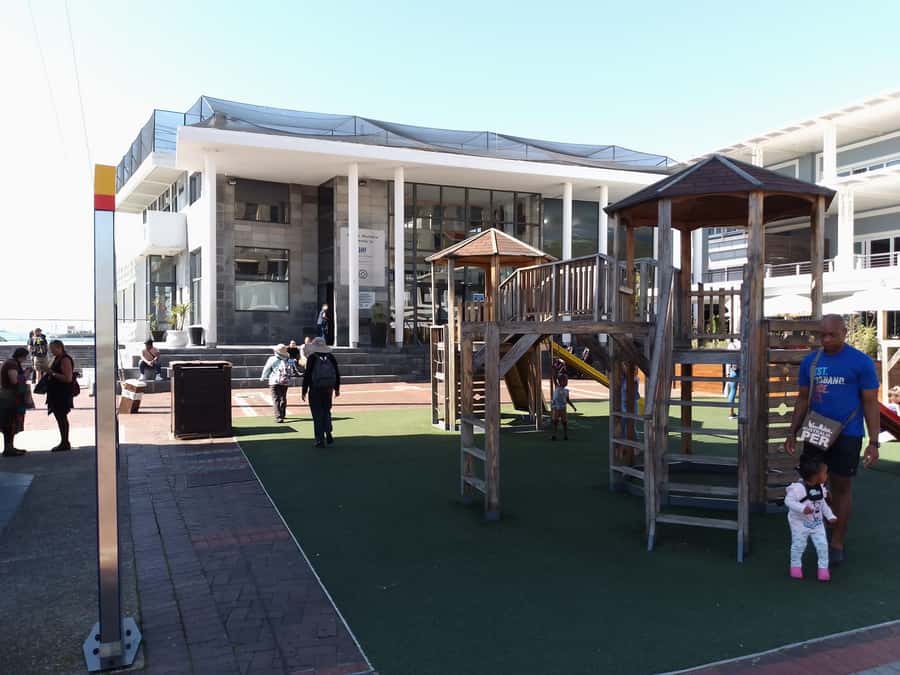
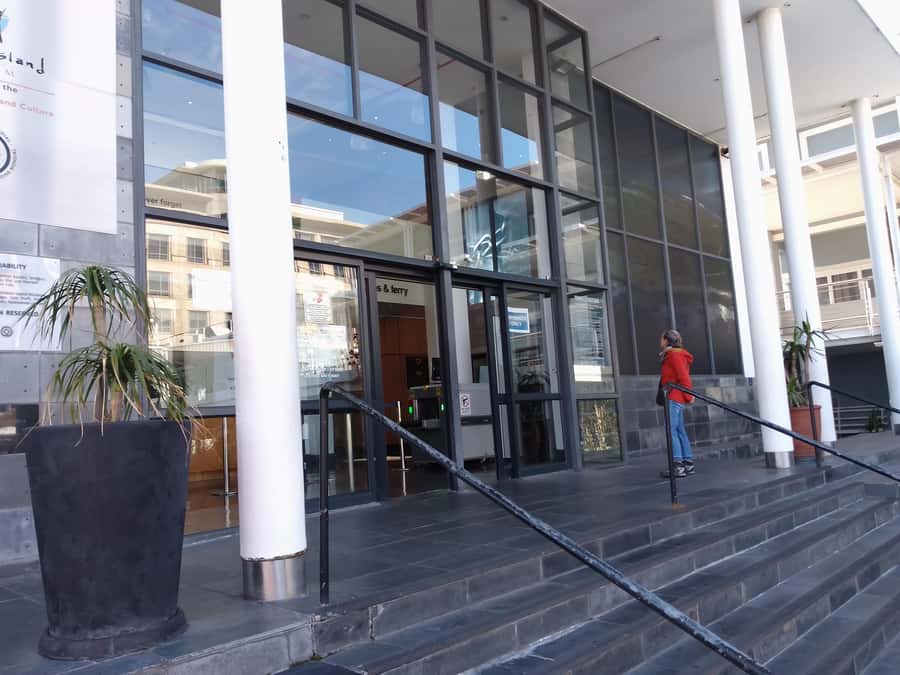
- V&A Waterfront departure: Meet at the historic Clock Tower Retail Centre and cross Table Bay by ferry.
- Three-hour island visit: Allow more time than the listed one-hour duration, especially if you have fixed plans later.
- Wildlife along the way: Keep watch for penguins, seals, and bird species on the island.
- Weather matters: The ferry operates only when conditions allow, so keep your day flexible.
Why Robben Island still matters
Robben Island carries the weight of South Africa’s political past. It was used as a prison for political opponents during apartheid, and Nelson Mandela spent much of his long incarceration there. The site is now a UNESCO World Heritage Site, but its importance is not just ceremonial. The buildings and open spaces show how a government tried to control people who opposed racial rule.
You will not get the full meaning of the place from a quick photo outside the prison. The guide’s explanation connects the cell, quarry, prison yard, and other landmarks to the daily lives of the men held there. That personal layer is the reason this tour can feel far more serious than an ordinary sightseeing stop.
The guide is often a former political prisoner. That matters. Instead of hearing only dates and official descriptions, you can hear about the human side of confinement and the anti-apartheid struggle. The guide brings context to places that might otherwise look plain: a yard becomes a place of routine and control, while the quarry becomes a reminder of the physical work prisoners were forced to do.
The experience is English-speaking by default. A French translator can be arranged in advance for an additional fee, which is useful if someone in your group will struggle with a detailed English talk.
More Landmark Island Ferry Tickets in Cape Town:
- Cape Town: Robben Island Ferry Ticket and Guided Prison Tour
★ 4.1 · 1,792 reviews - Cape Town: Robben Island Ferry Tour with 1-Way Hotel Pickup
★ 4.2 · 1,380 reviews - Cape Town: Robben Island Ferry Ticket and Townships Tour
★ 4.5 · 400 reviews
Starting at Cape Town’s old Clock Tower
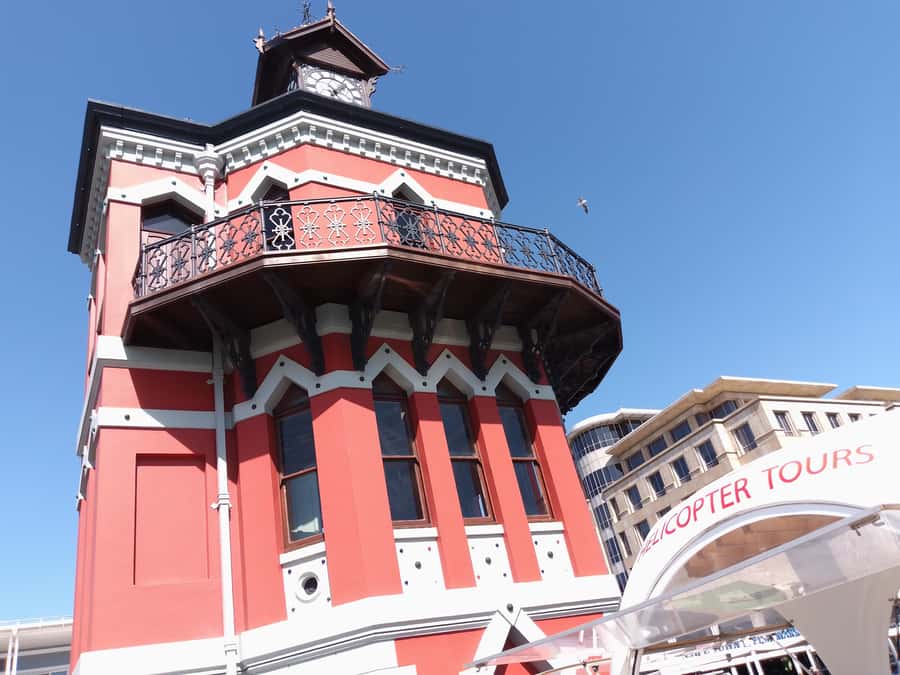
The meeting point is the Clock Tower Retail Centre at the V&A Waterfront. Look for the Victorian Gothic-style tower, a former Port Captain’s Office built in 1882. Its red walls and pointed windows make it easy to identify, and the clock itself was imported from Edinburgh.
This is a sensible meeting spot because it sits in one of Cape Town’s main harbor areas. Give yourself enough time to find the tower and check the departure details. The information provided does not give a precise check-in time, so you should confirm the start time when booking and avoid arriving at the last minute.
The waterfront setting also gives you a pleasant introduction to the trip. You are leaving from a working harbor and heading toward an island that once sat apart from ordinary city life. The view helps you understand the island’s physical separation, even before the guide explains its political purpose.
Bring your passport or identity card. A copy is accepted, but the requirement is still important. You should also wear comfortable shoes, carry a hat and sunscreen, and bring a camera if you want photographs of the crossing and island scenery. Smoking is not allowed.
The 30-minute ferry across Table Bay
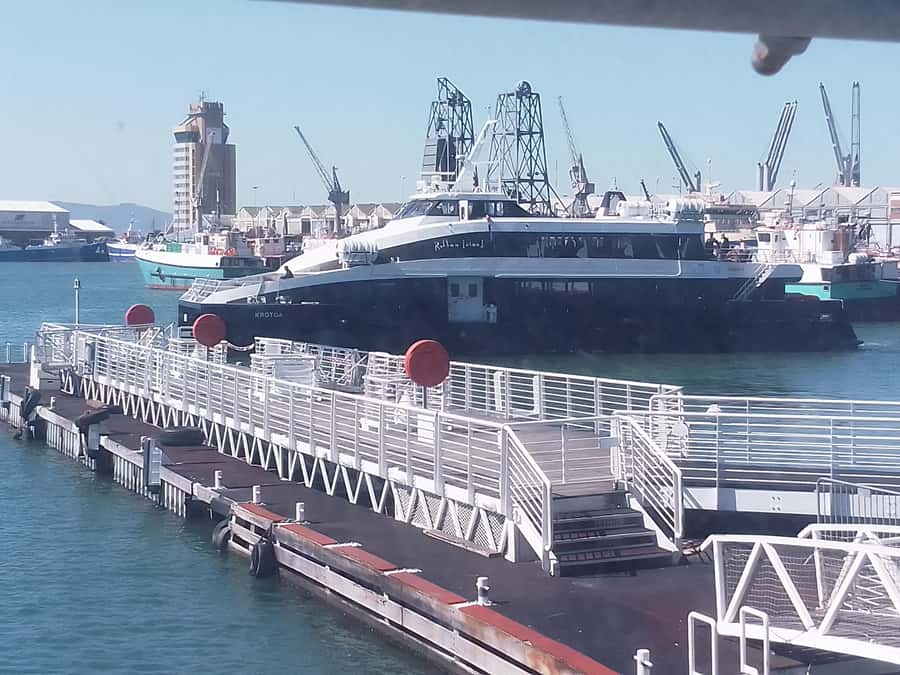
The ferry ride takes about 30 minutes according to the stated schedule. From the water, you can look back toward Cape Town, Table Mountain, and the Atlantic coastline. The crossing is part of the experience, not just transport.
I like this section because it gives you time to shift from city sightseeing to a more reflective visit. The island does not appear as a normal urban attraction. As the ferry moves away from the waterfront, the distance helps explain why Robben Island could function as a place of isolation.
Conditions on the water can change. The ferry operates when weather permits, so a departure is not guaranteed in rough conditions. This is the largest practical risk attached to the tour. The operator may cancel if the island is closed or the ferry cannot run, and one recent booking was reportedly canceled only about 30 minutes before departure. That is a serious warning if you have a flight, restaurant reservation, or another timed activity afterward.
Keep your schedule loose and check for updates before leaving your accommodation. The stated free-cancellation policy allows cancellation up to 24 hours in advance for a full refund, but that does not remove the need to check the weather and operating status close to departure.
Arriving on Robben Island
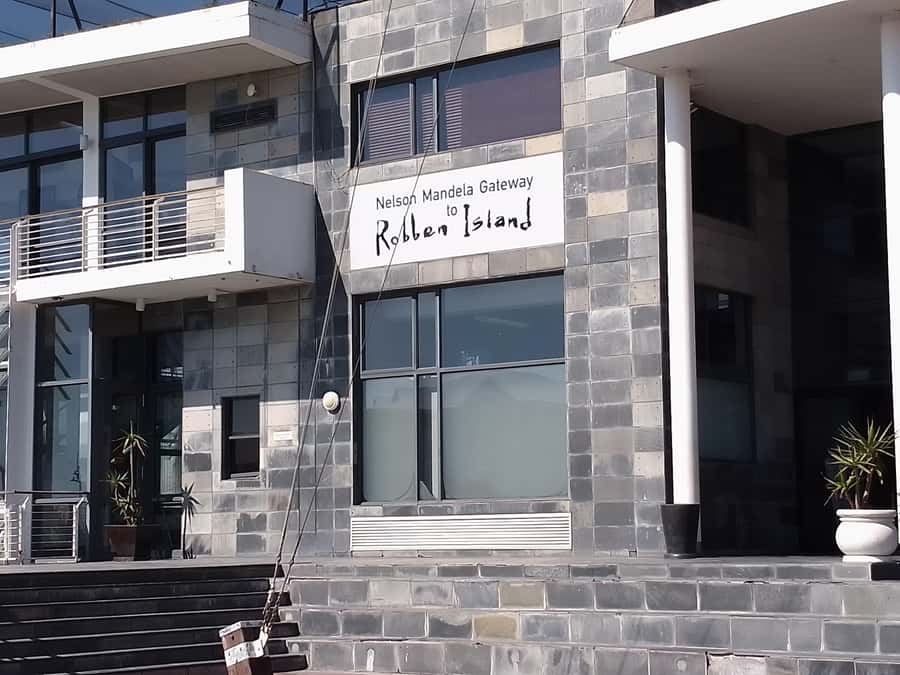
After reaching the island, you join the guided portion of the visit. The stated island tour lasts about three hours, which is much longer than the one-hour duration shown elsewhere in the activity details. For planning purposes, I would treat this as a half-day outing once you include boarding, the ferry, waiting time, and the return crossing.
The length is a good thing for the subject. Robben Island needs explanation, and rushing through the prison would reduce it to a series of photo stops. A longer visit gives the guide room to explain the anti-apartheid struggle, prison routines, political prisoners, and the road toward liberation.
It can also make the day tiring. Bring water and wear shoes that can handle walking. Meals and drinks are not included, so arrange your food around the tour rather than expecting a meal on the island. The supplied details do not identify food stops or a restaurant, so do not count on buying lunch during the visit.
More Island Ferry Trips in Cape Town:
- Cape Town: Robben Island Ferry with Prison Ticket and Tour
★ 4.0 · 324 reviews - Robben Island Ferry Ticket and Guided Prison Tour
★ 3.0 · 160 reviews - Cape Town: Robben Island ferry ticket with guided tour
★ 4.0 · 61 reviews - Cape Town: Robben Island ferry ticket plus Guided Tour
★ 3.3 · 37 reviews
Nelson Mandela’s cell and the prison buildings
The most important stop is Nelson Mandela’s cell. He spent 18 of his 27 years in prison, and the cell gives the story a human scale. The room is small and plain. That simplicity is part of its force: you are not looking at an elaborate memorial, but at the confined space where a major figure in South African history lived for years.
The guide’s explanation helps you avoid treating the cell as a quick celebrity photo opportunity. Mandela’s life there was shaped by restriction, endurance, and political struggle. You will learn about his imprisonment and the conditions faced by other political prisoners, not just his personal story.
The prison yard is another key stop. The yard helps show how daily movement was controlled within the prison. A guide who experienced political imprisonment can give the setting meaning that a plaque alone cannot provide.
The tour also includes other important landmarks connected with the prison. The information supplied does not list every stop or specify how long you spend at each one, so the exact route may vary. Expect the focus to remain on the prison, political detention, and the fight against apartheid.
The limestone quarry and the human cost of labor
The limestone quarry is one of the most revealing places on the island. It points to the physical labor imposed on prisoners and gives you a clear sense that confinement was not only about locked doors. Prisoners also worked under harsh conditions, and the quarry became part of the wider story of punishment and resistance.
This stop adds balance to the Mandela cell. Mandela is the best-known prisoner connected with Robben Island, but he was not the only person held there. The quarry and prison grounds help shift your attention from one famous individual to the many people who endured imprisonment because they opposed apartheid.
Listen for the guide’s personal and historical explanation here. The quarry may look open and exposed, but the guide’s account connects it to work, discipline, and the unequal political system that sent people there. That is where the tour’s human value is strongest.
Penguins, seals, and birds on a serious day out
Robben Island is also home to wildlife. You may see penguins, seals, and different bird species during the visit. These sightings are not the reason to book the tour, but they add welcome contrast to the prison’s difficult subject.
Bring your camera, but keep the focus on the historical visit. Wildlife sightings are not guaranteed, and no dedicated animal-watching activity is described. Think of them as part of the island setting rather than a separate safari.
The natural side of the island also gives you moments to pause. After hearing about imprisonment and apartheid, looking across the water or spotting a seabird can provide a quiet break. It does not soften the history, but it can make the pace of the day easier.
What the $109 price includes
At $109 per person, the cost is not low for a ferry crossing. The value depends on what you want from the visit. You are paying for the return ferry, the guided island tour, access to the prison sites, and the chance to hear the story from a former political prisoner.
If you only want a boat ride or a quick view of the island, the price will feel high. If you want the history explained in person, the fee is easier to justify. The guide is the central part of the experience, not an extra decoration added to a ferry ticket.
The price does not include meals or drinks. It also does not include the extra cost of a French translator, which must be arranged in advance. Ask for the total price if you need French support.
The activity has a reserve-now-and-pay-later option, which can help if your plans are still shifting. Still, flexible payment does not protect you from weather disruption. I would avoid placing this tour on the final day of your trip or close to an important departure.
Timing, comfort, and access
The activity information lists a one-hour duration, but the detailed schedule gives a 30-minute ferry ride and a three-hour guided tour on Robben Island. Those figures do not fit together. Plan for several hours, and confirm the actual departure and return time before booking.
The tour is wheelchair accessible, though the supplied details do not explain which parts of the route may involve uneven ground or how boarding assistance works. If you use a wheelchair, contact the operator in advance and ask about the ferry and island route.
Comfortable shoes are a must. You should also carry sunscreen and a hat because the island can expose you to sun and wind. Bring ID or a copy, and keep your camera ready for the ferry views and island wildlife.
The live tour guide is listed as speaking English and French, but the French option is described as advance-request translator support at an additional cost. Do not assume French interpretation is automatically included in the $109 price.
Who will get the most from this tour
I would choose this tour if you want to understand South Africa through a real historical site rather than through a museum display alone. It suits visitors who are willing to spend a large part of the day on one serious subject and who value a personal guide.
It is a strong choice for people interested in Nelson Mandela, apartheid, civil rights, political history, or the modern history of South Africa. The former prisoner guide can make the visit especially meaningful for anyone who wants more than a standard audio narration.
Families with older children may find the subject valuable, though the prison setting and apartheid history require attention and maturity. The wildlife and ferry ride can add variety, but this is not primarily a family entertainment trip.
I would think twice if you have limited time in Cape Town, dislike boat travel, or need a guaranteed return time. I would also reconsider if you expect a short one-hour outing. The supplied schedule points to a much longer visit.
Should you book the Robben Island tour?
Book it if Robben Island is a priority and you can keep your day flexible. The ferry gives you fine views of Table Mountain and the coast, but the real reason to go is the guided visit to the prison, Mandela’s cell, the quarry, and the other places tied to South Africa’s anti-apartheid struggle.
Before paying, confirm the true duration, ferry status, meeting time, and cancellation arrangements. The low overall rating is shaped by serious operational problems, including cancellations when the island was closed and a reported delayed refund. That does not erase the value of the historical visit, but it does mean you should check the operator’s communication and avoid tight connections.
For a smooth plan, book early, bring ID and sun protection, wear practical shoes, and leave space in your schedule. If the ferry is running and the guide is a former political prisoner, this can be one of Cape Town’s most meaningful historical outings. If weather or timing makes the plan risky, choose a day when you can afford a change.
FAQ
Where does the Robben Island tour begin?
The meeting point is the Clock Tower Retail Centre at Cape Town’s V&A Waterfront. The Victorian Gothic-style Clock Tower was built in 1882 as the old harbor Port Captain’s Office.
How long does the tour take?
The detailed schedule lists a 30-minute ferry ride and a three-hour guided tour on Robben Island. The activity information also lists a one-hour duration, so confirm the actual schedule before booking and plan for several hours.
Is Nelson Mandela’s prison cell included?
Yes. The tour includes a visit to Nelson Mandela’s cell, where he spent 18 of his 27 years in prison.
Who leads the guided tour?
The English guided tour is led by a former political prisoner. French translator support is available by advance request for an additional cost.
What can I see besides the prison?
The tour includes the prison yard, the limestone quarry, and other historical sites. You may also see penguins, seals, and different bird species on the island.
What should I bring?
Bring a passport or identity card, or a copy, along with comfortable shoes, a hat, sunscreen, and a camera. Meals and drinks are not included.
Can weather cancel the ferry?
Yes. The ferry operates when weather conditions permit. You can cancel up to 24 hours in advance for a full refund, and the activity also offers a reserve-now-and-pay-later option.
Just added around Cape Town
- Robben Island Cape Of Good Hope Penguins Including Ferry Ticket★ 5.0 · 3 reviews
- Robben Island Museum, Stellenbosch Wineries plus Ferry Tickets★ 5.0 · 4 reviews
- Robben Island Museum Stellenbosch Wineries Plus Ferry Ticket F/D★ 5.0 · 6 reviews
- Ferry Tour to Robben Island Museum with One Way Hotel Transfer★ 5.0 · 5 reviews
- Nelson Mandela’s Robben Island Prison Museum Cape Town City Tour + Ferry Tickets★ 5.0 · 7 reviews
- Robben Island Nelson Mandela’s Prison Museum + Township Tour incl Ferry Tickets★ 5.0 · 9 reviews
- Cape Town Half-Day Robben Island Tour with Ferry Ticket★ 4.5 · 13 reviews
- Robben Island Museum Tour with Transfer and Ferry Tickets.★ 4.3 · 10 reviews
Cape Town Ferry Trips, compared.

Robben Island Ferry Ticket and Guided Prison Tour
Read our review →
Robben Island Ferry Tour with 1-Way Hotel Pickup
Read our review →
Robben Island Ferry with Prison Ticket and Tour
Read our review →
Robben Island Ferry Ticket and Guided Prison Tour
Read our review →


Cape Town Half-Day Robben Island Tour with Ferry Ticket
Read our review →Browse the lists this tour appears in