
REVIEW · CAPE TOWN
Cape Town: Robben Island ferry ticket with guided tour
Robben Island is more than a ferry trip with a famous photo stop. You walk through the prison where Nelson Mandela spent 18 years, then hear about apartheid from someone who lived through it as a political prisoner. The former-inmate guide gives the visit its strongest human voice.
I like the Cape Town and Table Mountain views from the ferry, and I like that the tour includes places beyond Mandela’s cell, including the Lime Quarry and Robert Sobukwe’s house. The main concern is pace: the island bus can feel crowded, and the four-hour visit may seem rushed when many people are sharing the same stops.
Key points to know
- Former prisoner as guide: Hear firsthand accounts of prison life and apartheid from an English-speaking ex-inmate.
- Mandela’s cell: Visit the small cell where Nelson Mandela was held during his long imprisonment.
- 30-minute ferry ride: Enjoy views of Cape Town and Table Mountain from the water.
- Several island stops: See the leprosy graveyard, Lime Quarry, Robert Sobukwe’s house, and the maximum-security prison.
- Four-hour schedule: The tour begins and ends at the Nelson Mandela Gateway beside the V&A Waterfront’s Clocktower.
- Plan for a full group experience: The bus may be crowded, and you may not be able to leave it at every stop.
Why Robben Island matters beyond Nelson Mandela

Nelson Mandela’s prison cell is the best-known reason to visit Robben Island, but the island tells a much wider story. It was used to isolate political prisoners from the mainland and from one another. The prison tour gives you a physical sense of confinement, while the guide’s personal account connects that place to daily life under apartheid.
That personal account is important. A guide who was once imprisoned there can explain the island from lived experience, not just dates and names. You hear about the prison as a place where people were held, disciplined, separated, and denied freedom because of their opposition to apartheid.
Mandela’s cell is small and plain. There is no grand display to distract you. The power comes from knowing that a world-famous political leader spent years inside such a limited space. You may find the moment quiet rather than theatrical, which suits the place.
The tour also keeps the story from becoming only a Mandela biography. The island’s other stops point to different chapters in its past, including the Lime Quarry, Robert Sobukwe’s house, and the leprosy graveyard. Together, they show that Robben Island served several difficult purposes over time.
More Landmark Island Ferry Tickets in Cape Town:
- Cape Town: Robben Island Ferry Ticket and Guided Prison Tour
★ 4.1 · 1,792 reviews - Cape Town: Robben Island Ferry Tour with 1-Way Hotel Pickup
★ 4.2 · 1,380 reviews - Cape Town: Robben Island Ferry Ticket and Townships Tour
★ 4.5 · 400 reviews
Starting at the Nelson Mandela Gateway
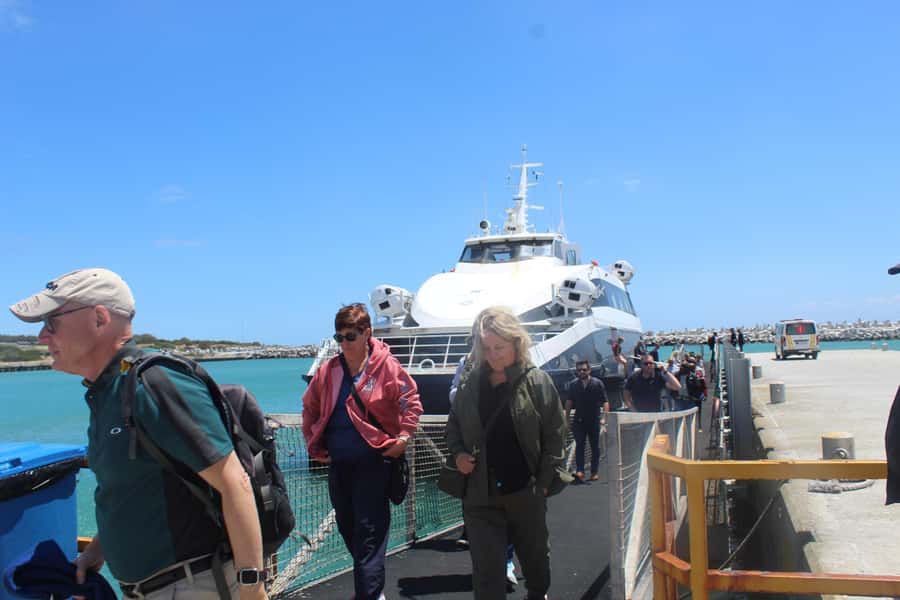
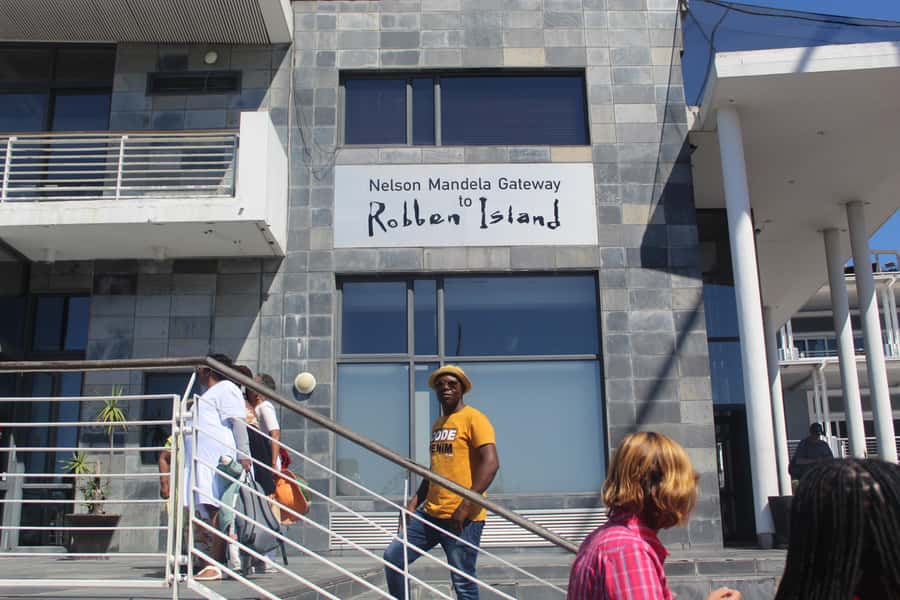
You meet at the Nelson Mandela Gateway to Robben Island, beside the Clocktower at Cape Town’s V&A Waterfront. This is the departure point for the ferry, and it is also where you return at the end of the four-hour experience.
Give yourself enough time to find the Gateway and get ready for the crossing. The tour does not include hotel pickup or drop-off, so you need to make your own way to the Waterfront. A passport or ID card is required, and you should bring a jacket even if Cape Town feels warm at the start.
The Gateway’s location makes this easy to combine with other Waterfront plans, but do not treat the ferry crossing as a tiny side trip. The visit takes about four hours from departure to return, and the boat ride alone takes about 30 minutes each way.
The ferry crossing and Cape Town views
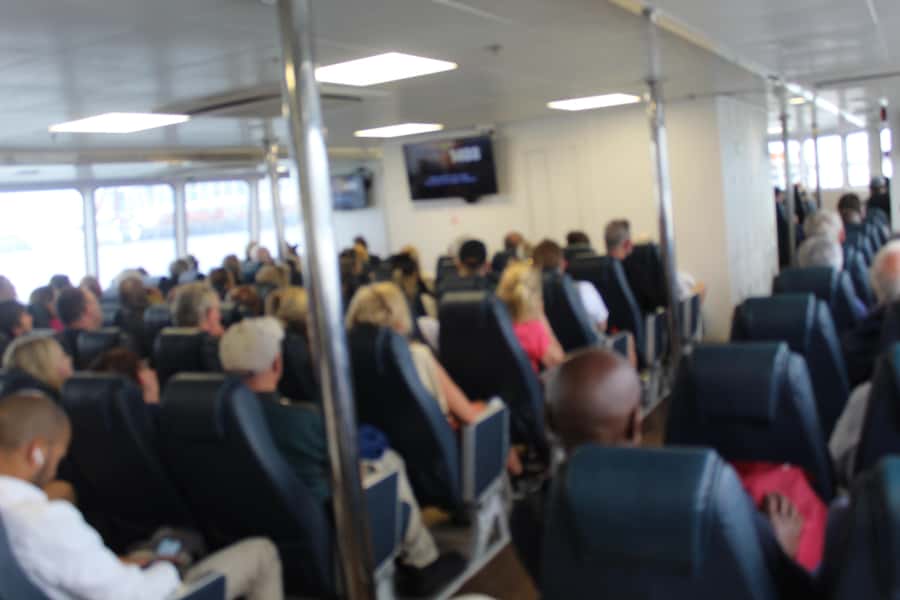
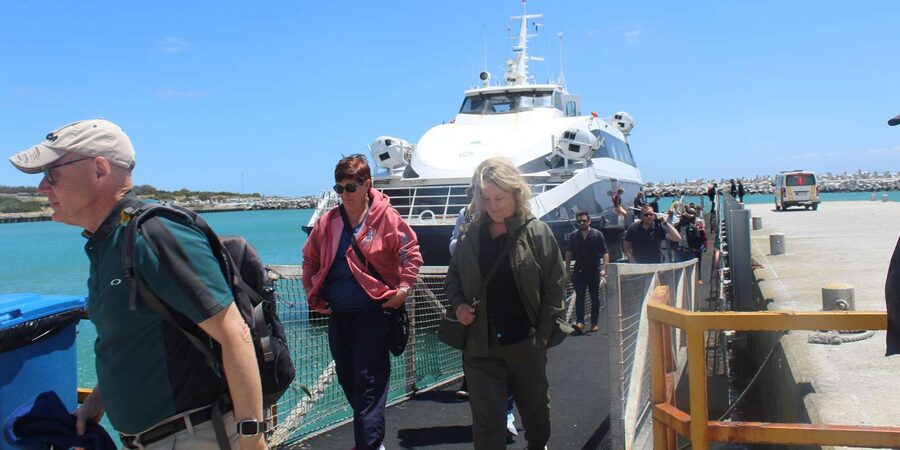
The ferry is part of the experience, not just a transfer. As you leave the mainland, you get a changing view of Cape Town from the water, with Table Mountain providing the main backdrop. The return crossing gives you another chance to look back at the coast and the mountain.
I like this pause before the prison tour begins. The water creates a clear break between modern Cape Town and the island’s severe past. It also gives you time to prepare for a visit that can feel heavier than a normal sightseeing stop.
Bring your jacket because conditions on the ferry may feel cooler than they do on land. The activity is not suitable for people prone to seasickness, so consider your comfort carefully before booking. The ferry ride lasts about half an hour in each direction, making that a meaningful part of the day for anyone sensitive to motion.
The views are best understood as a bonus, not the main reason to reserve this experience. You are going to Robben Island for the prison and its history. Still, the ferry adds a useful sense of place, showing how close the island is to Cape Town while also making its former isolation easier to picture.
Touring the island beyond the prison
After arriving, the guided visit moves through several important sites on Robben Island. A bus is used to drive around the island, allowing you to see more than the prison complex alone.
The leprosy graveyard points to an earlier and painful period in the island’s past. It reminds you that Robben Island was not created only as a political prison. Its history includes the treatment and isolation of people with leprosy, adding another layer to the island’s story.
The Lime Quarry is closely linked to the prisoners’ forced work. It is also connected to Mandela’s time on the island and to the conditions under which political prisoners were made to labor. Seeing the site helps turn an abstract account of prison life into something physical and visible.
Robert Sobukwe’s house is another worthwhile stop. Sobukwe was an important anti-apartheid figure who was held separately from other prisoners. His house shows that imprisonment on Robben Island did not follow one single pattern. Different prisoners experienced different forms of control and isolation.
These stops make the tour more useful than a quick visit to Mandela’s cell. You get a wider view of the island’s institutions and the people affected by them. The drawback is that the bus portion can feel crowded, especially if you are seated away from a window or in an aisle seat. You may not be able to get off the bus at every location, so your view can depend on where you sit.
More Island Ferry Trips in Cape Town:
- Cape Town: Robben Island Ferry with Prison Ticket and Tour
★ 4.0 · 324 reviews - Robben Island Ferry Ticket and Guided Prison Tour
★ 3.0 · 160 reviews - Cape Town: Robben Island ferry ticket plus Guided Tour
★ 3.3 · 37 reviews - Cape Town-Robben Island Ferry Ticket and Guided Prison Tour
★ 3.5 · 7 reviews
Entering the maximum-security prison
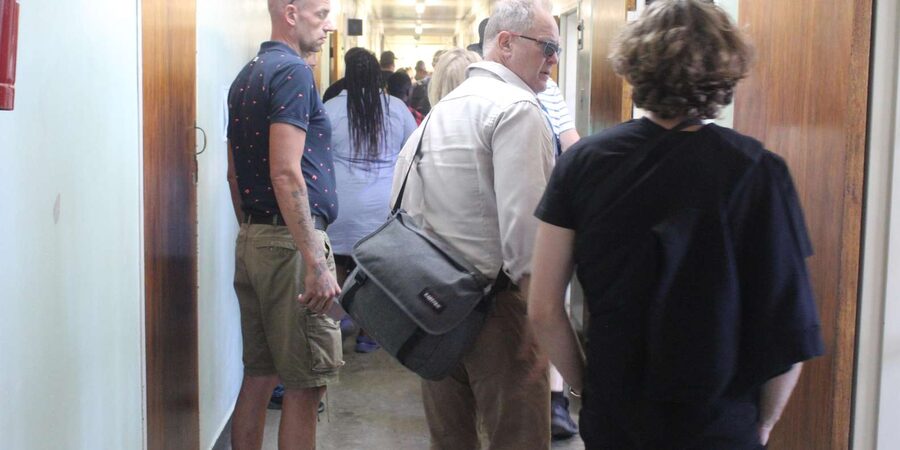
The maximum-security prison is the emotional center of the visit. Here, the island’s story moves from broad views and outdoor sites to the confined spaces where political prisoners lived.
The guide provides the meaning behind what you see. The buildings alone cannot explain the rules, restrictions, and pressure of imprisonment. The former prisoner’s account gives the tour a personal scale, helping you understand that apartheid was not only a political system discussed in textbooks. It shaped where people could live, how they were treated, and whether they could speak freely.
The group format matters here. You are not exploring the prison at your own speed. The guide leads the group, and the schedule must keep moving so everyone returns to the ferry. If you prefer long periods of quiet reflection at each site, this may feel too brisk.
Still, the structure has a benefit. A live guide can link each area to the larger story, rather than leaving you to read disconnected signs. The strongest parts of the tour are likely to come from listening carefully and allowing the guide’s account to carry the visit.
Seeing Nelson Mandela’s prison cell
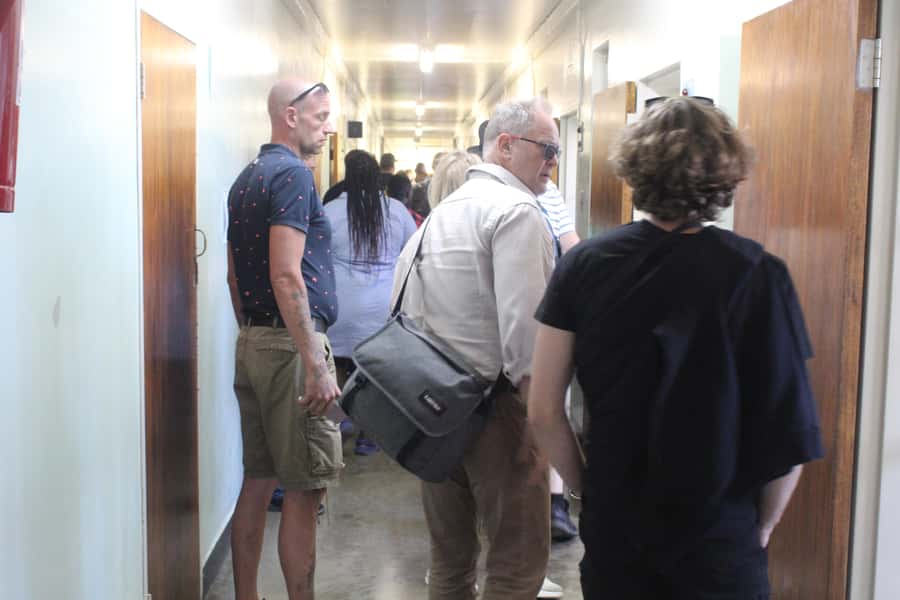
The stop at Mandela’s cell is the moment most people anticipate. The room is modest, which makes it more affecting. There is no need for a large display. The limited space itself tells you something about the conditions of his imprisonment.
I recommend treating this as a quiet stop. Look closely, listen to the guide, and resist the urge to rush toward a photograph. The importance of the cell comes from the years spent there and from what Mandela later represented in South Africa’s political life.
You should also keep your expectations realistic. This is not a private visit or a long personal meditation inside the cell. You are part of a scheduled group tour, and the stop may be brief. Its value comes from the setting and the explanation, not from having unlimited time.
Because the tour also includes other sites, Mandela’s cell is placed within a broader account of apartheid-era imprisonment. That balance is helpful. It honors Mandela without suggesting that the island’s story begins and ends with one man.
How the four-hour schedule feels
Four hours sounds generous, but it includes ferry travel, transportation around the island, the guided prison visit, and the return crossing. Once you account for those parts, the actual time at each stop is limited.
The pace has caused concern for some visitors. The bus can feel crowded, and the guide may need to deliver information quickly. If the group is large or the schedule is tight, you may feel more like you are moving through a set route than exploring independently.
That does not make the tour worthless. It simply tells you what kind of experience this is. You receive a structured introduction to Robben Island, not a slow, private historical walk.
For the best chance of seeing the island clearly, try to pay attention to your seat on the bus. An aisle seat may give you less of a view, and you might not be able to leave the vehicle at every stop. Comfortable clothes will help, especially since you are moving between ferry, bus, and prison spaces.
The value of the $74 price
At $74 per person, this is not a bargain-priced sightseeing ride. The price covers the ferry ticket, the island tour, the prison visit, and a live English-speaking guide. It does not include food, lunch, hotel pickup, or drop-off.
I consider the price reasonable if Robben Island is a priority for you. The ferry and island transport would be difficult to arrange as part of a casual independent visit, and the former-prisoner guide adds something that a basic self-guided visit could not provide.
The value is less clear if you mainly want scenic views. Cape Town and Table Mountain look good from the ferry, but you can find other ways to enjoy the city’s coastline. The real purchase here is historical access and personal testimony.
The price also buys convenience, but not luxury. You should expect a shared tour, a set schedule, and possible crowding on the bus. Those who want a polished small-group experience may find the cost harder to justify. Those who want to understand apartheid through a major historic site will likely see more value in it.
Practical advice before you book
Bring a passport or ID card, a jacket, and comfortable clothes. The ferry can feel cool, and the day includes several changes in setting. Food and lunch are not included, so plan around that without assuming a meal is part of the tour.
The experience is wheelchair accessible, which is useful information for visitors who need step-free access. The provided details do not specify how every part of the island route is handled, so you may want to confirm any particular mobility needs before booking.
The tour is conducted in English. If you need another language, this experience may not suit you.
The operator allows cancellation up to 24 hours before departure for a full refund, and you can reserve now and pay later. Those terms make it easier to hold a place while your Cape Town plans settle, but they do not remove the need to check the actual starting time. Availability and departure times can vary.
One operational warning deserves attention: a scheduled departure may be changed or canceled with little notice. Keep your Cape Town schedule flexible on the day of the visit, especially if you have a flight, long-distance transfer, or another fixed booking afterward.
Who will get the most from this tour?
You should book this experience if you want more than a famous name and a photo. It suits anyone interested in apartheid, Mandela, South African politics, or the human cost of imprisonment.
It also works well for first-time visitors to Cape Town who want one major historical outing built into a sightseeing schedule. The ferry views provide a scenic break, but the prison and the former-inmate guide are the reasons to go.
You may want to skip it if you are prone to seasickness, dislike group schedules, or need a relaxed pace with plenty of time at each stop. The bus can be crowded, and the information may come quickly.
Families and mixed-interest groups can still find value here, provided everyone understands that this is a serious historical visit. It is not a light entertainment trip. The subject matter is difficult, and the prison setting asks for attention and respect.
Should you book the Robben Island tour?
Book it if you want a direct connection to South Africa’s apartheid past and are willing to accept a shared, tightly timed experience. The former-prisoner guide and the visit to Mandela’s cell give the tour its strongest value, while the ferry provides memorable views of Cape Town and Table Mountain.
Do not book it expecting a quiet, flexible day. The four-hour schedule can feel rushed, the bus may be crowded, and ferry operations can change. For most history-minded visitors, those limits are worth accepting because Robben Island is best understood through both its physical sites and the voice of someone who was imprisoned there.
FAQ
Where does the Robben Island tour begin?
The tour begins at the Nelson Mandela Gateway to Robben Island beside the Clocktower at Cape Town’s V&A Waterfront.
How long does the experience last?
The full experience lasts about four hours, including the ferry trips, island tour, and prison visit.
How long is the ferry ride?
The ferry ride to Robben Island takes about 30 minutes. You also take a ferry back to the mainland at the end of the tour.
Is Nelson Mandela’s prison cell included?
Yes. The tour includes a visit to Nelson Mandela’s former prison cell inside the maximum-security prison.
Who leads the guided tour?
The tour has a live English-speaking guide, and the island story is presented by a former political prisoner.
Is hotel pickup included?
No. You need to make your own way to the Nelson Mandela Gateway. Hotel pickup and drop-off are not included.
What should I bring?
Bring a passport or ID card, a jacket, and comfortable clothes. Food and lunch are not included.
More Ferry Tickets in Cape Town
- Cape Town Half-Day Robben Island Tour with Ferry Ticket
★ 4.5 · 13 reviews - Robben Island Museum Tour with Transfer and Ferry Tickets.
★ 4.3 · 10 reviews - Robben Island Nelson Mandela’s Prison Museum + Township Tour incl Ferry Tickets
★ 5.0 · 9 reviews - Nelson Mandela’s Robben Island Prison Museum Cape Town City Tour + Ferry Tickets
★ 5.0 · 7 reviews
Just added around Cape Town
- Robben Island Cape Of Good Hope Penguins Including Ferry Ticket★ 5.0 · 3 reviews
- Robben Island Museum, Stellenbosch Wineries plus Ferry Tickets★ 5.0 · 4 reviews
- Robben Island Museum Stellenbosch Wineries Plus Ferry Ticket F/D★ 5.0 · 6 reviews
- Ferry Tour to Robben Island Museum with One Way Hotel Transfer★ 5.0 · 5 reviews
- Nelson Mandela’s Robben Island Prison Museum Cape Town City Tour + Ferry Tickets★ 5.0 · 7 reviews
- Robben Island Nelson Mandela’s Prison Museum + Township Tour incl Ferry Tickets★ 5.0 · 9 reviews
- Cape Town Half-Day Robben Island Tour with Ferry Ticket★ 4.5 · 13 reviews
- Robben Island Museum Tour with Transfer and Ferry Tickets.★ 4.3 · 10 reviews
Cape Town Ferry Trips, compared.

Robben Island Ferry Ticket and Guided Prison Tour
Read our review →
Robben Island Ferry Tour with 1-Way Hotel Pickup
Read our review →

Robben Island Ferry with Prison Ticket and Tour
Read our review →
Robben Island Ferry Ticket and Guided Prison Tour
Read our review →

Cape Town Half-Day Robben Island Tour with Ferry Ticket
Read our review →
Robben Island Museum Tour with Transfer and Ferry Tickets.
Read our review →Browse the lists this tour appears in