
REVIEW · SPAIN
Alicante/Torrevieja: Excursion to Tabarca by ferry, Santa Pola, and Laguna Rosa
Torrevieja’s pink salt lagoon and Tabarca Island make an unlikely but memorable pair: one is a working salt wetland with an otherworldly color, the other is a tiny car-free island reached by a short ferry ride. Add Santa Pola’s old port and fortress, and you get three very different slices of the Costa Blanca in one long day.
I like the way the tour combines places that are awkward to link without a car. I also like the balance between guided information and free time, especially the two hours on Tabarca for swimming, walking, photos, or lunch. Guides such as Karen, Carmen, Dan, Danny, and Maria have been praised for bringing local history and practical advice to the bus rides and island visit.
The trade-off is the schedule. You cover a lot of ground, and the short Santa Pola stop after Tabarca can feel less useful than extra island time. Anyone who wants a slow beach day or a long meal should book a standalone Tabarca trip instead.
Key points at a glance
- The pink lagoon is the unusual opening act: Visit Laguna Rosa in Torrevieja, see the salt mountains, and hear how the wetland gets its striking color.
- Tabarca is small enough to explore on foot: The island measures about 1,800 meters long and 400 meters wide, with no cars and roughly 50 residents.
- Your ferry ride is included: The round-trip boat transfer is part of the $68 price, along with admission to Laguna Rosa.
- You get two hours of island free time: Use it for a swim, photographs, a walk through the village, or a seafood meal.
- Santa Pola gives the day historical context: Its Roman port and castle fortress offer a quick look at the coast’s older trading and defensive role.
- Come prepared for heat and water: Comfortable shoes, swimwear, a towel, and waterproof shoes will make the day easier.
Why this full-day route works
This is a sightseeing day built around contrast. Torrevieja gives you salt, water, and strange natural color. Tabarca gives you open sea, low stone buildings, and clear water. Santa Pola ties the two together as the mainland port from which you reach the island.
The route begins at one of three central meeting points around Alicante, including Avenida Conde de Vallellano and Plaza Waldo Calero. Hotel pickup is not included, so you need to reach your selected meeting point yourself. From there, a coach ride of about 70 minutes takes you toward Torrevieja.
At $68 per person, the price is reasonable for a full day if you value convenience. The ferry alone is listed at €12, and Laguna Rosa admission is €9.50. You also get the coach, guided visits in Tabarca and Santa Pola, and explanations at the salt flats. Meals and drinks are extra, so the final cost depends on how much you eat and drink on the island.
I see this as a good value for someone staying in Alicante or the surrounding coast who does not want to organize separate bus, ferry, and admission arrangements. It is less compelling if you already have a rental car and plan to spend a full day on Tabarca.
A few more ferry trips around Spain worth a look
- Corralejo: Return Ferry Ticket to Lobos Island Fuerteventura
★ 4.7 · 3,098 reviews - From Ibiza: Same-Day 2-Way Ferry Ticket to Formentera
★ 4.0 · 1,588 reviews - Lanzarote: Ferry to La Graciosa with Wi-Fi (free parking)
★ 4.7 · 907 reviews
Torrevieja’s pink salt lagoon
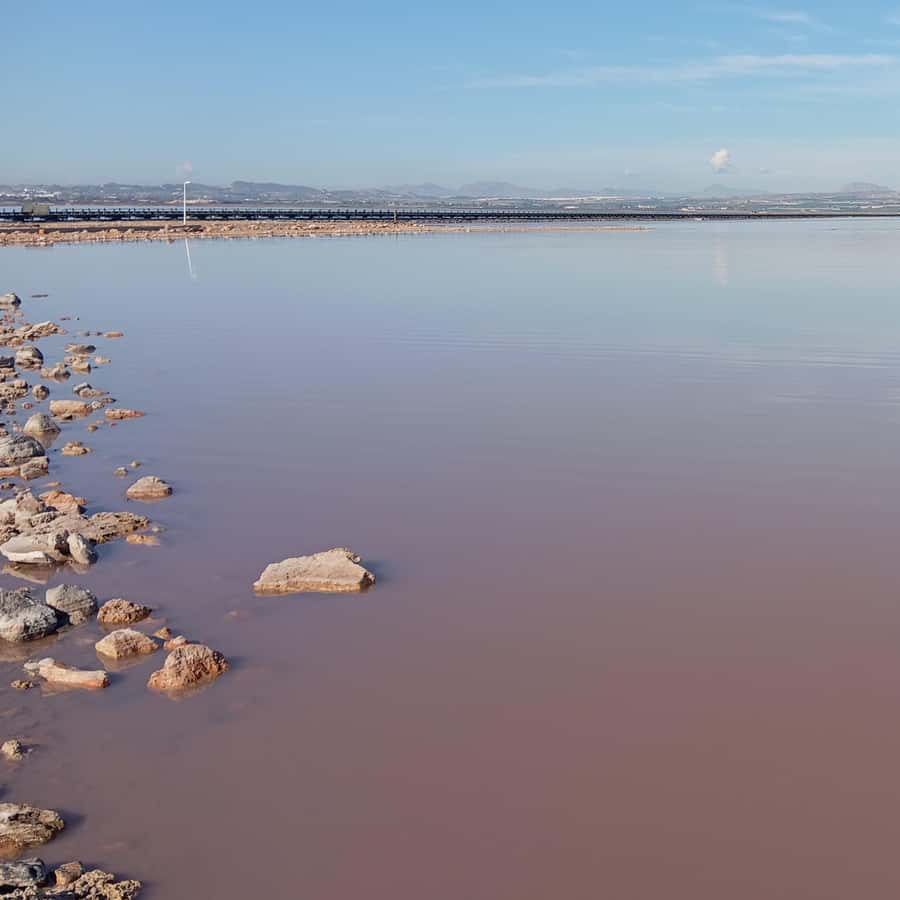
The first major stop is Laguna Rosa, part of the Lagunas de la Mata y Torrevieja Natural Park. You have about 40 minutes for the visit and explanations. That is enough for an introduction, photographs, and a look at the salt flats, but not enough for a long walk through the wider park.
The lagoon’s color comes from a natural phenomenon in the wetland. Depending on conditions, the water can look pink, rose-colored, or more muted. Do not expect a perfectly bright bubblegum-pink surface at every visit. Weather, light, and seasonal conditions affect what you see.
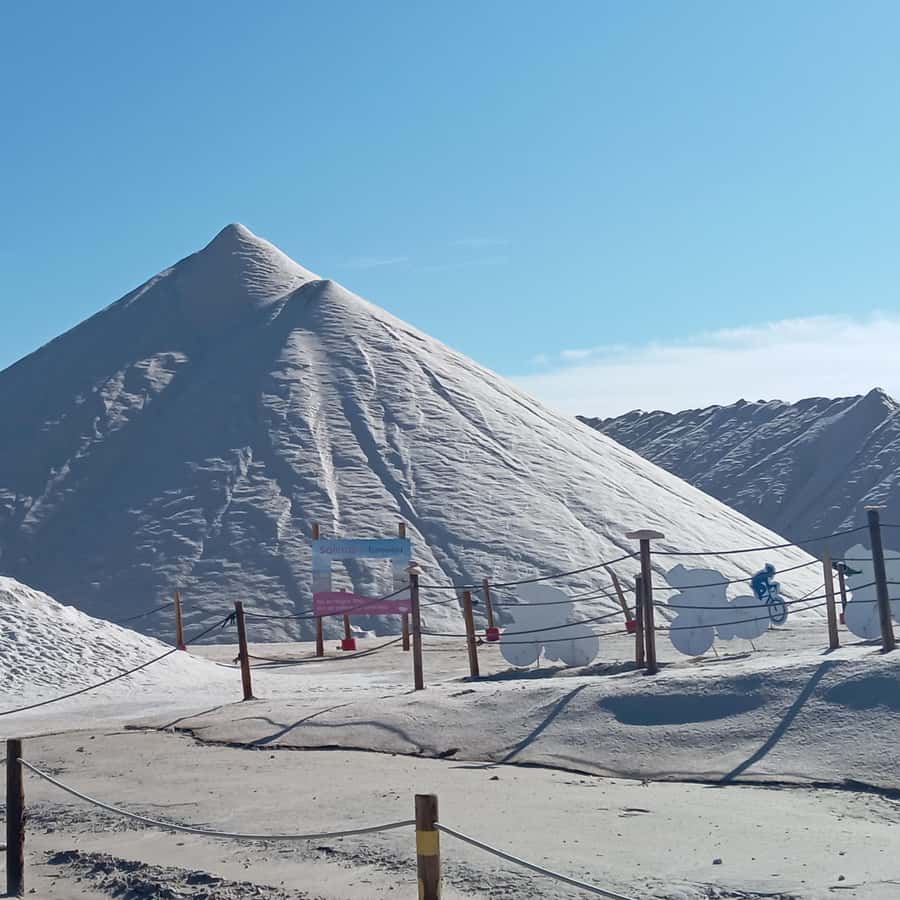
The salt mountains give the stop its other striking feature. This is not simply a scenic lake. It is part of a salt-producing area, and the piles of salt help you understand the connection between the natural wetland and local industry.
I like that the visit comes early. You see something genuinely unusual before the day’s main ferry excursion, and the stop breaks up the first coach ride. The limitation is time. If you want birdwatching, a serious nature walk, or a detailed study of the park, this excursion moves too quickly.
Wear comfortable shoes, since you will be outside and may walk over uneven ground. Bring water, a hat, and sun protection, particularly during the hotter months. The day can feel very warm even before you reach the island.
The ferry from Santa Pola to Tabarca
After Torrevieja, the coach takes about 35 minutes to Santa Pola. From the port, the ferry crossing to Tabarca lasts around 35 minutes each way. The boat trip is short enough to be manageable for most people, but you should bring seasickness tablets if you know you are sensitive to motion.
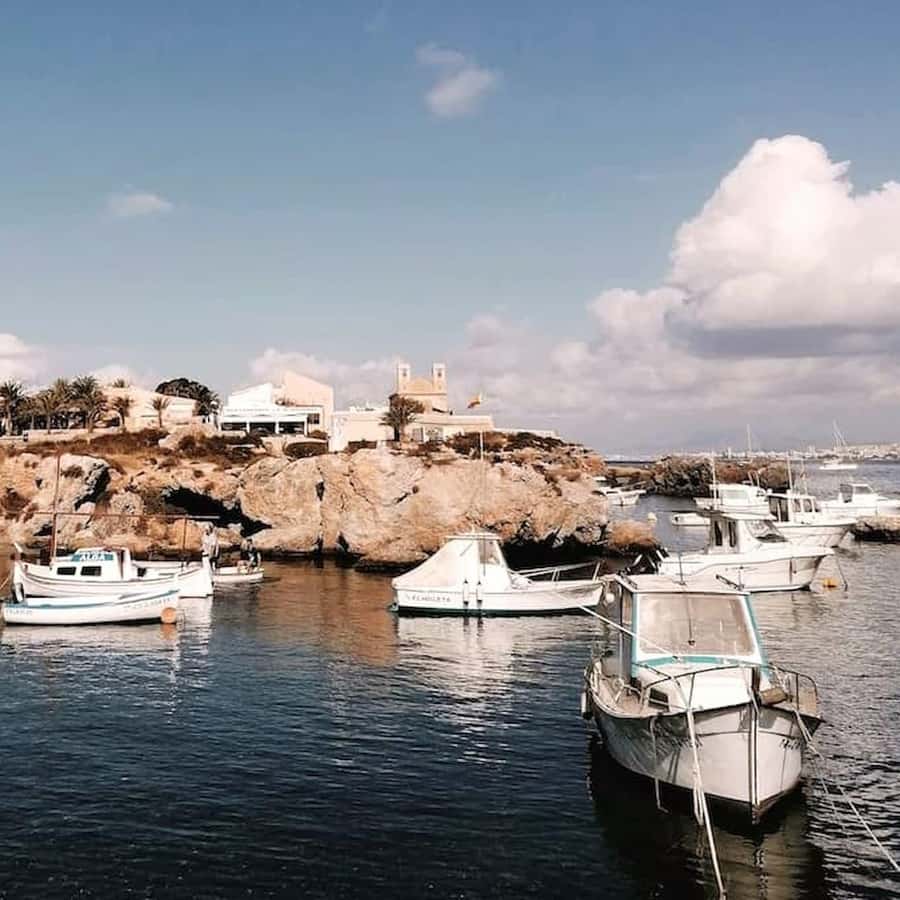
The ferry is not just transport. It gives you a changing view of the coast and a clear sense of why Tabarca has always depended on the sea. Since the boat is included, you avoid the hassle of arranging a separate crossing or wondering how to fit ferry times into a self-guided day.
The water can be calm, but conditions are never fully under your control. If you are prone to seasickness, sit where the movement feels mildest and keep your medication close. The tour specifically advises bringing seasickness pills if needed.
You should also bring waterproof shoes. Tabarca is suited to swimming and snorkeling, but rocky edges can be uncomfortable under bare feet. Sea shoes are one of the most useful items you can pack for this outing.
Tabarca, Spain’s smallest inhabited island
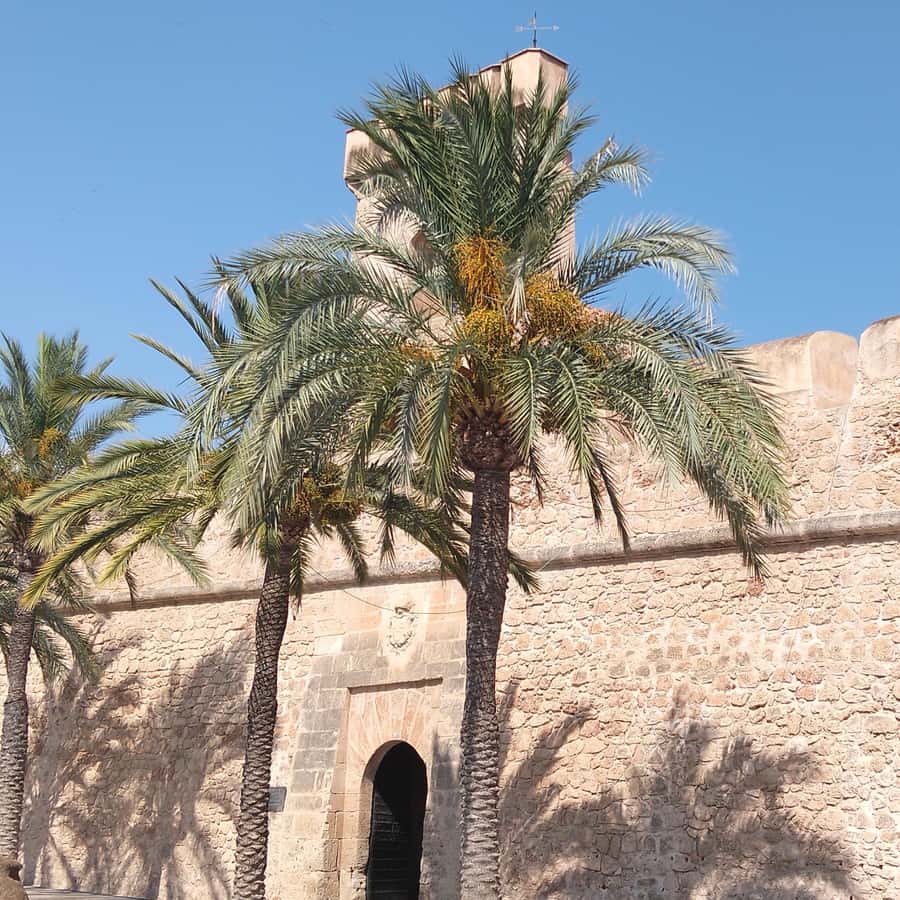
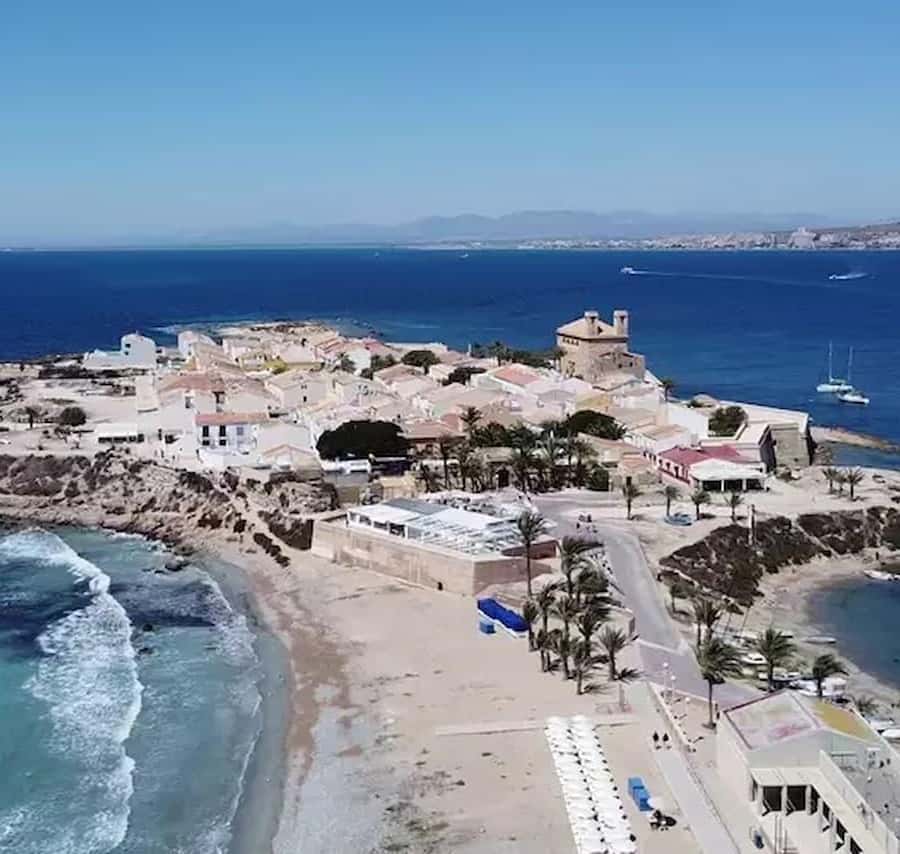
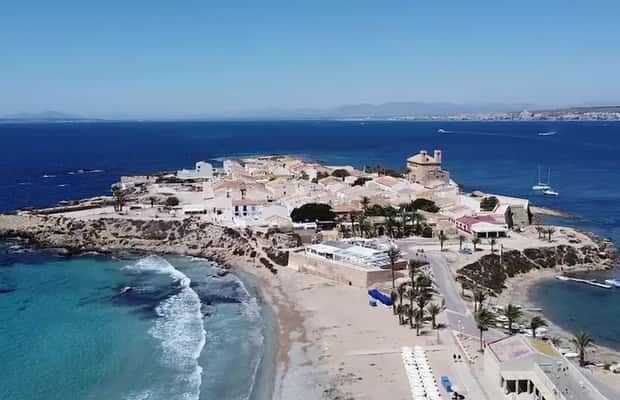
Tabarca is the heart of the day. At about 1,800 meters long and barely 400 meters wide, it is small enough to cross on foot and compact enough to explore without a map. There are no cars on the island, which gives the streets a quieter, more human scale.
The island has roughly 50 residents. Its buildings, port, beaches, and open sea all sit close together, so you can shift from a village lane to the water in a short walk.
A guided visit lasts about 25 minutes. This is where you hear about Tabarca’s pirate origins and its place as a protected natural reserve. The guide also helps you understand what you are seeing rather than leaving you with only pretty waterfront photographs.
Guides can make a real difference here. Karen, Carmen, Dan, Danny, and Maria have each been singled out for strong local stories, practical help, and clear explanations during different departures. Since guide assignments can change, book this for the route and structure rather than expecting one particular person.
After the guided portion, you have about two hours on your own. That is enough time for a swim, a walk through the village, photographs around the port, and a meal if you keep an eye on the clock.
The island is particularly good for people who want variety. You can spend part of your free time in the water, then walk the streets, then stop for food. If you prefer a long, lazy lunch or a serious snorkeling session, two hours may feel short.
The clearest water is one of Tabarca’s main attractions, but the tour does not include snorkeling equipment. Bring your own gear or ask locally about rental options. The practical advice from the guides can help you choose a place to swim and eat, but meals and equipment remain your responsibility.
Same water, a different way across:
- Ría de Arousa: Boat Ride to Mussel Farm with Tasting
★ 4.7 · 845 reviews - Corralejo: Snorkeling on Lobos Island & Return Ferry Ticket
★ 4.6 · 769 reviews - Santa Pola: Return Taxi Boat Ticket to Tabarca Island
★ 4.6 · 597 reviews - Desde Corralejo: Lobos Island Ferry with Optional Transfer
★ 4.6 · 586 reviews
What to do with your two hours
I would make a simple plan before leaving the ferry. First, take a few minutes to get your bearings and note the meeting time. Then choose one main activity rather than trying to do everything.
For a water-focused visit, pack swimwear, a towel, and waterproof shoes. You can swim and look for places to snorkel, though the tour does not promise a specific underwater viewing activity or equipment.
For a walking visit, explore the narrow streets and port area. The island’s small size makes it easy to see a good deal without rushing, but the midday sun can make even short walks tiring.
For lunch, use the time carefully. You can sample local island cuisine, but the meal is not included. Since the group must return to the ferry, do not plan a long restaurant stop unless you are confident about service times.
The best approach is to choose between swimming and eating, with a little walking around both. Trying to fit in a full meal, extensive swimming, and a complete island walk can leave you watching the clock instead of enjoying Tabarca.
Santa Pola’s Roman port and castle
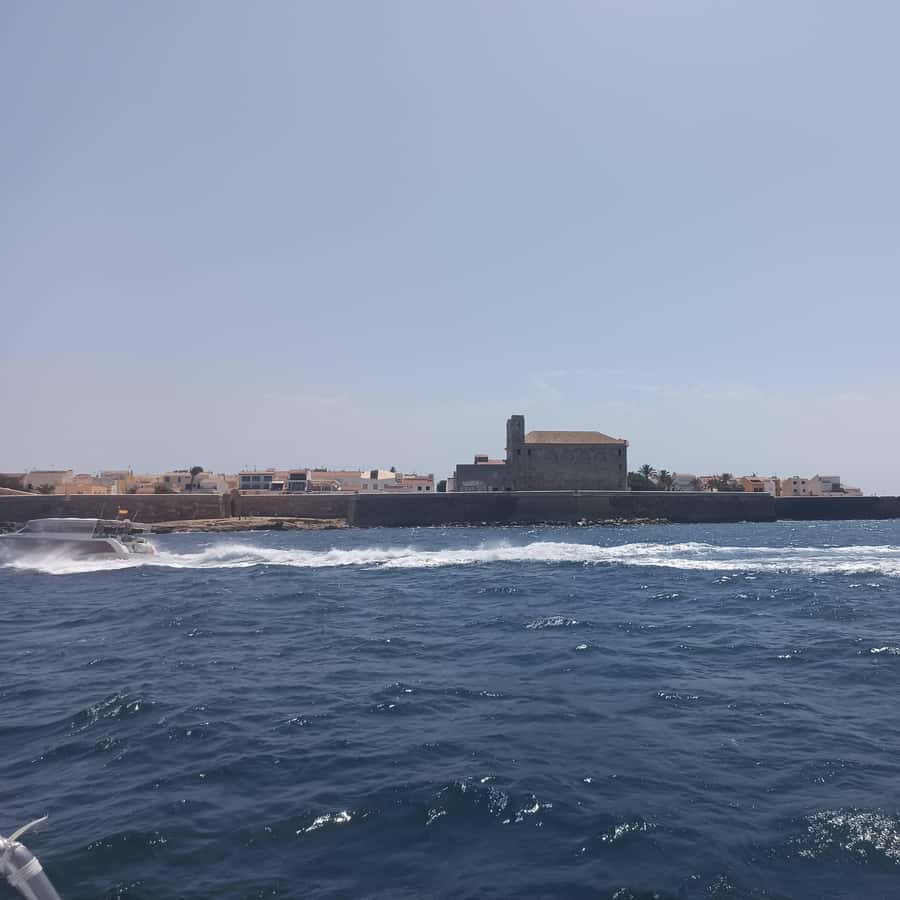
You return by ferry to Santa Pola, then have a guided visit of about 10 minutes and roughly 50 minutes of free time. The town is linked to an ancient Roman port, and its castle fortress reflects the coast’s need for defense against attacks, including the pirate threat connected with the wider history of Tabarca.
The short guided visit gives you context, but this is not a long museum or castle tour. Some people may find the fortress interesting; others may feel that the stop adds little after the island. I would treat Santa Pola as a useful historical footnote rather than the main reason to book the excursion.
The free time can work well for a drink, a quick walk, or a look around the port. Still, the timing is the most questioned part of the route. If you would rather stay on Tabarca, the stop may feel like a pause before the final coach ride.
That said, Santa Pola helps the day make sense. You see the mainland port, then cross to the island, then return to the place that connects Tabarca with the Costa Blanca. The town is not just a random extra stop.
Guides, transport, and the pace of the day
The live tour is offered in English and Spanish, though some content may be presented in its original language. The guide travels with the group and provides information on the route, the salt flats, Tabarca, and Santa Pola.
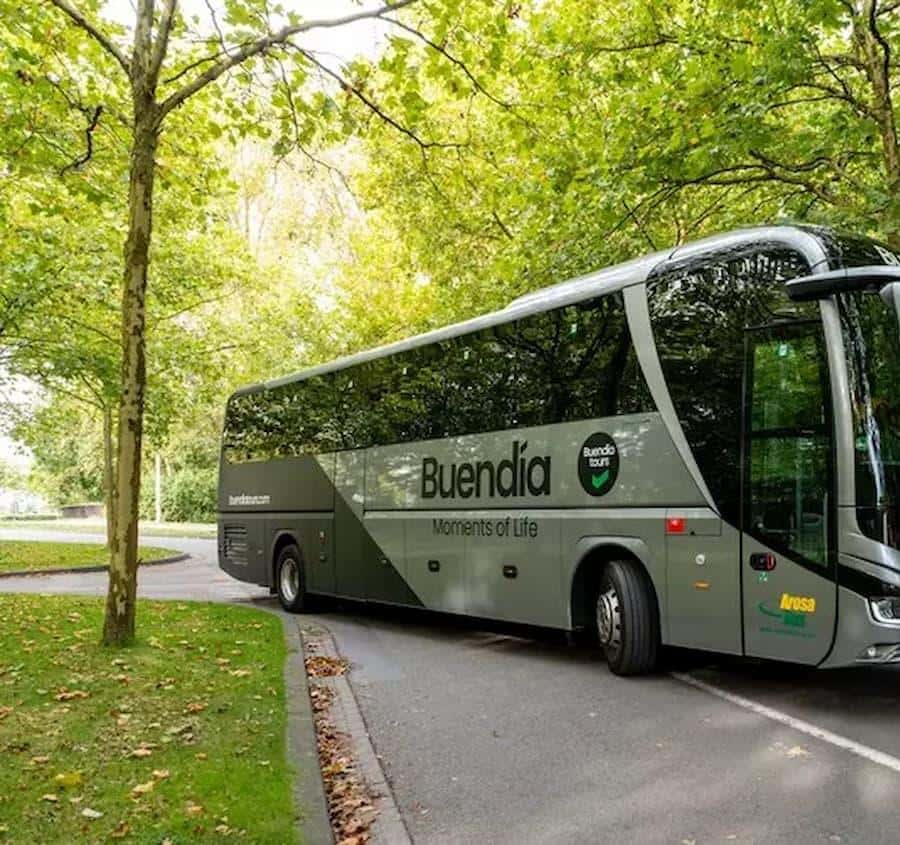
The bus is useful because the three sites are spread out. The longest coach segment is about 70 minutes, followed by shorter rides of around 35 and 30 minutes. Those stretches are part of the price, but they also make this a long day of sitting, walking, sun, and ferry travel.
The total duration is listed as nine to 11 hours. Starting times vary, so check availability before booking. This is not a quick half-day outing. You need the stamina for a full day away from your base.
Comfortable clothes and shoes matter. You will switch between coach, port, ferry, streets, and outdoor salt-flat paths. Food and drinks are not allowed in the vehicle, so plan to eat during the designated breaks rather than relying on snacks on the bus.
The tour is not suitable for wheelchair users or people with mobility impairments. The ferry, uneven outdoor areas, walking, and island setting all make this a demanding choice for anyone who needs step-free access or frequent assistance.
Who should book this excursion
I would recommend it to you if you are staying in Alicante, want to see several coastal highlights in one day, and prefer a guide to handle the transport connections. It is also a good match if you like unusual natural sights, short historical visits, and time by the sea.
Families with older children may enjoy the mix of salt flats, boats, village streets, and swimming. The day has enough variety to prevent it from feeling like a single long museum visit.
It also suits first-time visitors to the area who want an overview. You will not become an expert on Torrevieja, Santa Pola, or Tabarca in one day, but you will get a useful first look at all three.
I would choose something else if you want a slow day, a long hike, extensive snorkeling, or several hours at the beach. I would also think twice if a short boat trip makes you uncomfortable or if walking on uneven surfaces is difficult.
What to bring for a smoother day
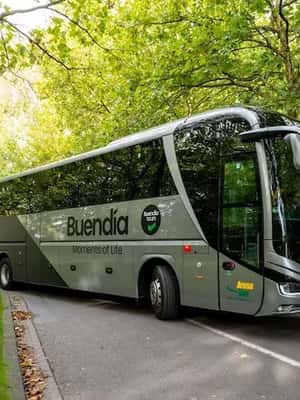
Pack light, but bring the items that match the route:
- Comfortable walking shoes
- Waterproof shoes or sea shoes
- Swimwear and a towel
- Comfortable, cool clothing
- Sun protection and water
- Seasickness medication if you need it
- Money or a card for meals, drinks, and possible equipment rental
You cannot bring food or drinks into the vehicle, and meals are not part of the price. The most useful strategy is to carry water for the outdoor portions and plan your main meal during free time on Tabarca or Santa Pola.
Should you book the Tabarca and Laguna Rosa tour?
Book it if you want three distinct Costa Blanca experiences in one organized day: salt flats in Torrevieja, a ferry and island visit, and Santa Pola’s port history. The included ferry, coach transport, lagoon admission, and guided visits make the $68 price fair for a visitor without a car.
Go in with realistic expectations. Laguna Rosa is a short visit, Tabarca gets about two hours of free time, and Santa Pola is brief. The schedule favors variety over depth.
My main advice is to bring sea shoes, protect yourself from the sun, and decide in advance how you want to use your Tabarca time. If you can accept the long day and the extra Santa Pola stop, this is an efficient way to see some of the coast’s most unusual sights.
FAQ
How long does the excursion last?
The tour lasts approximately nine to 11 hours. Starting times vary, so check availability for the date you want.
Where does the tour start?
There are three possible starting locations, including Avenida Conde de Vallellano and Plaza Waldo Calero in Alicante. Your exact meeting point depends on the option booked.
Is hotel pickup included?
No. Hotel pickup is not included, so you need to reach the selected meeting point yourself.
Is the ferry to Tabarca included?
Yes. The round-trip boat transfer to Tabarca is included in the price.
Is admission to Laguna Rosa included?
Yes. Admission to Laguna Rosa in Torrevieja and explanations at the salt flats are included.
How much free time do I get on Tabarca?
You get about two hours of free time after the guided visit. You can use it for swimming, photographs, walking, or food.
Are meals and drinks included?
No. Meals and drinks are not included. You should budget separately for food and drinks during the free-time stops.
Is the tour suitable for wheelchair users?
No. The experience is not suitable for wheelchair users or people with mobility impairments. Comfortable shoes, swimwear, a towel, and waterproof shoes are recommended.
Just added around Spain
- Salou to Cambrils Round Trip Ferry★ 4.5 · 7 reviews
- Ferry tickets from Tarifa Spain to Tangier port in Morocco★ 4.5 · 16 reviews
- Tangier Private Tour from Tarifa with Express Ferry★ 5.0 · 7 reviews
- Dolphin Adventure: Fast Boat Dolphin Watching in Mallorca★ 4.5 · 3 reviews
- Boat Transfer between Puerto Andratx and Sant Elmo★ 3.0 · 2 reviews
- Fuerteventura at your leisure( bus transfer and return ferry ticket)★ 4.5 · 17 reviews
- Roundtrip Ferry Transfer to La Graciosa with Free Wifi★ 5.0 · 7 reviews
- Lanzarote:Return ferry ticket to La Graciosa. Free wifi & parking★ 4.5 · 42 reviews
Spain Ferry Trips, compared.
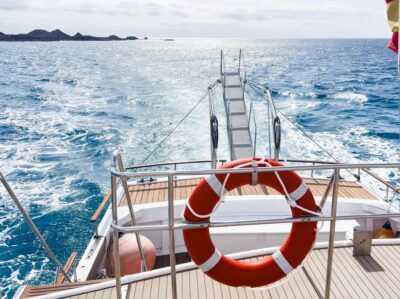
Return Ferry Ticket to Lobos Island Fuerteventura
Read our review →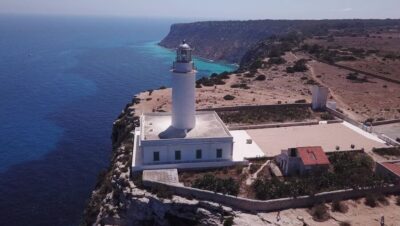
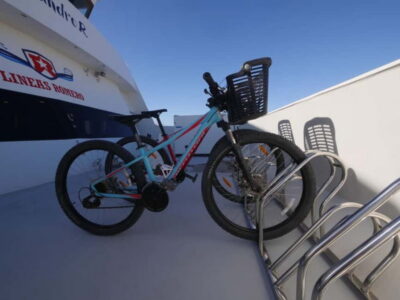
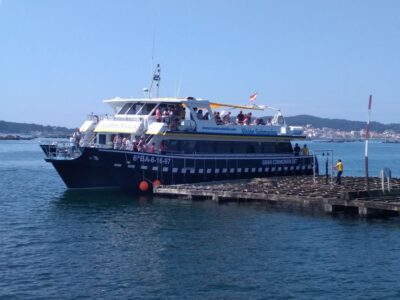
Ría de Arousa: Boat Ride to Mussel Farm with Tasting
Read our review →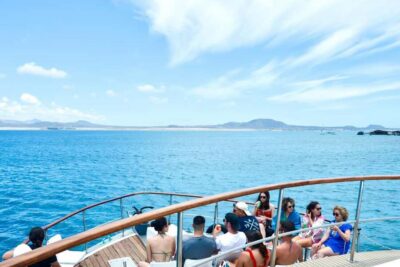
Snorkeling on Lobos Island & Return Ferry Ticket
Read our review →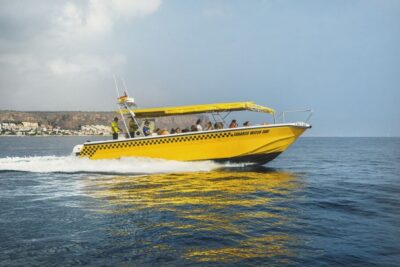
Santa Pola: Return Taxi Boat Ticket to Tabarca Island
Read our review →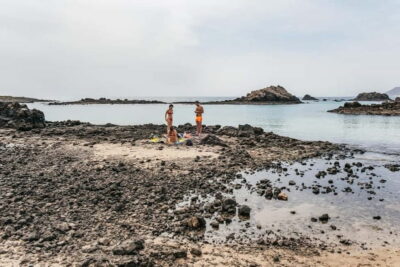
Desde Corralejo: Lobos Island Ferry with Optional Transfer
Read our review →
Cultural excursion for one day to Tangier with ferry included
Read our review →Browse the lists this tour appears in