
REVIEW · PERTH
Perth: Rottnest Island Skydive and Ferry Package
Rottnest Island looks beautiful from sea level, but the real spectacle comes from above. This package pairs a ferry ride from Perth with a 10,000 or 15,000-foot tandem skydive, giving you up to 66 seconds of free-fall at about 200 kilometers per hour before a gentle parachute ride toward the beach. I like that transport and the island admission fee are included, and that you get free time on Rottnest after the jump.
I also like the small-group setup, limited to six participants, and the clear safety process from Skydive Geronimo. The main catch is timing: the booking time is your skydive check-in, not your ferry departure, and weather can change the plan. You need to confirm conditions by phone one hour before your ferry leaves.
Key points at a glance
- Choose your free-fall length: Jump from 10,000 feet for about 30 seconds of free-fall, or from 15,000 feet for up to 66 seconds.
- Walk from the jetty to the airfield: The Rottnest Island Terminal Building is about a 15-minute walk from the ferry jetty.
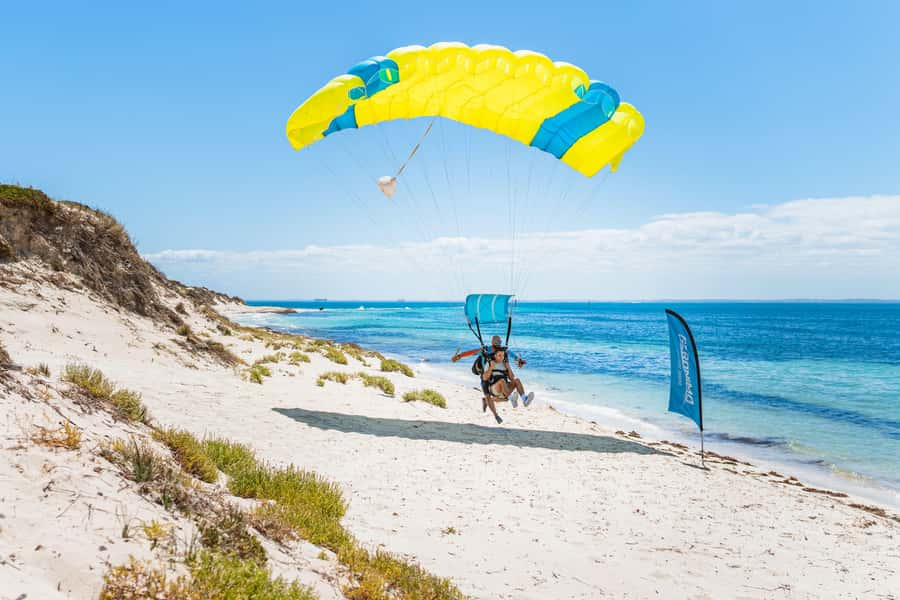
- Land beside the beach: After the parachute opens at 5,000 feet, you get roughly five minutes under canopy before landing.
- Use the rest of the day well: After the jump, you can explore Rottnest Island until your return ferry.
- Plan around weather and paperwork: You must call one hour before ferry departure to confirm the service and wear enclosed sports shoes.
- Budget for optional media: High-definition video and photos are available to buy on the day, but are not included in the $365 price.
From Perth’s Barrack Street Jetty to Rottnest Island
Your day begins at Perth’s Barrack Street Jetty, close to Elizabeth Quay Train Station. You need to arrive 30 minutes before the ferry departure for ticketing and boarding. The ferry company can vary, so check the tickets sent after booking rather than assuming which operator you will use.
The transport arrangement is useful, but it requires attention. The time shown when you book the activity is for your skydive meeting time, not for the ferry. Ferry tickets are sent within 48 hours, and those tickets give you the actual departure time, port details, and operator.
This is the part of the day where a little organization pays off. Keep the ferry information handy, allow the full half hour before departure, and do not set out on the assumption that the booking time tells you when to board. You are also required to phone the skydive team one hour before the ferry departure to confirm that weather conditions are suitable. Do not travel on the ferry ticket until that confirmation is made.
The ferry ride itself is not the main event, but it turns the skydive into a full island day rather than a short Perth city activity. You leave the city behind, arrive at Rottnest, complete the jump, and still have time to explore before returning to Barrack Street Jetty.
A few more ferry trips around Perth worth a look
- From Perth or Fremantle: Rottnest Island Ferry and Bus Tour
★ 4.6 · 1,246 reviews - From Perth: Rottnest Island Ferry & Bike Trip
★ 4.5 · 627 reviews - Experience Rottnest with Ferry & Bike Hire
★ 4.0 · 461 reviews
The 15-minute walk to the Rottnest airfield
Once you reach Rottnest Island, make your own way from the ferry jetty to the Rottnest Island Airport. The meeting point is the Rottnest Island Terminal Building at the airfield, about a 15-minute walk from the jetty.
That walk is simple enough for most people, but it matters when you are managing a fixed check-in time. Do not treat arrival at the island as arrival at the skydive. Leave the ferry, orient yourself, and walk directly to the airport building so you are ready for paperwork and the safety briefing.
Skydive Geronimo keeps the group size to six participants. That is a helpful limit for an activity built around individual harness fitting, instructions, and aircraft scheduling. It does not guarantee that every stage will move quickly. A wait before takeoff is possible, and one person’s weather or operational delay can affect the group.
The provider has earned a 4.6 rating from 26 reviews, with especially strong praise for the welcoming staff and careful explanations. That matters on a first jump. You are not expected to know what to do in the aircraft or during the free-fall. The instructor gives you the required instructions and remains responsible for the parachute and landing sequence.
Getting ready for a first tandem jump
At the airfield, you complete paperwork, put on your harness, and receive a safety briefing. The chief safety instructor assesses your eligibility on the day, taking account of weight, height, health, and relevant medical conditions.
That final check is important because booking does not override the safety requirements. People over 95 kilograms, or about 209 pounds, are considered case by case. The activity is not suitable for children under 16, pregnant women, people with heart problems, or people with pre-existing medical conditions.
Children aged 16 or 17 must have an adult or legal guardian with them on the day. Unaccompanied minors are not allowed.
Wear comfortable clothes and closed-toe sports shoes. Sandals and flip-flops are not allowed. Enclosed shoes are not a minor detail here. You need suitable footwear for the jump and beach landing, and the booking information makes it a firm requirement.
The preparation sounds formal because it is. A tandem skydive is meant to feel exciting, but the best version of that excitement comes from knowing what will happen next. One useful sign is the care given to explanations before and during the flight. The provider sends instructions by email, messages, and video, and the instructor repeats the key points in person.
Choosing between 10,000 and 15,000 feet
The altitude choice changes the character of the jump.
From 10,000 feet, you get about 30 seconds of free-fall. From 15,000 feet, the free-fall can last up to 66 seconds. In both cases, the instructor deploys the parachute at 5,000 feet, followed by about five minutes under the open canopy.
The higher option costs more in nerves, not necessarily in planning. You spend longer in free-fall and have more time to take in the island before the parachute opens. If the idea of jumping from a plane is already a major personal challenge, 10,000 feet gives you the central experience with a shorter free-fall.
If you want the longest possible fall offered here, choose 15,000 feet. The extra seconds are not just a number. At roughly 200 kilometers per hour, free-fall feels very different from a slow scenic flight, and the added time gives the jump more weight in your memory.
The information provided does not specify a different ferry schedule for either altitude, so you should not assume the higher jump will fit any particular departure without checking your confirmed schedule. Operating hours also change with the season, and your exact skydive time is confirmed after booking.
Same water, a different way across:
- From Fremantle: Rottnest Island Ferry & Bus Day Tour
★ 4.6 · 394 reviews - Rottnest Island Round-Trip Ferry from Perth
★ 4.5 · 346 reviews - Adventure Rottnest Tour with Ferry & Adventure Cruise
★ 4.5 · 238 reviews - Perth to Rottnest Island Roundtrip Ferry Ticket
★ 4.5 · 191 reviews
The aircraft climb and Rottnest from above
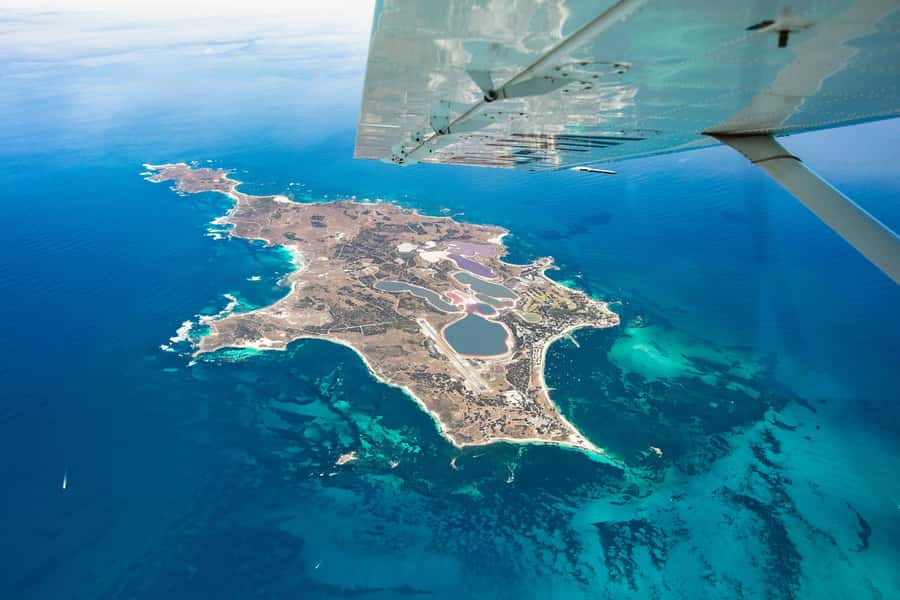
After the briefing and harness fitting, you go to the plane. The aircraft climbs to your selected altitude, giving you time to look down at Rottnest Island from a very different angle.
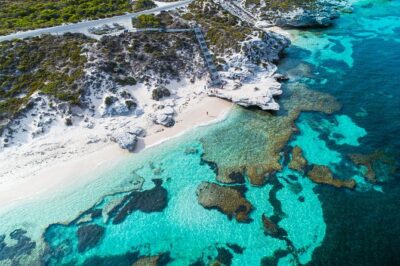
The view is one of the strongest reasons to choose this location. From the ground, Rottnest is an island of beaches and open spaces. From the air, you can take in its shape and coastline while the plane climbs, then watch the island expand beneath you during the descent.
The supplied details do not promise a particular beach, weather condition, or exact landing spot beyond a beach-side landing. That is worth keeping in mind. Weather affects the operation, and the chief safety instructor makes the final call. You are buying a tandem jump over Rottnest, not a guaranteed postcard view on a particular date.
The plane ride also gives you a short mental pause before the main event. You have already completed the paperwork and briefing, and now the aircraft is doing the work. For many first-timers, the hardest moment may be the anticipation rather than the free-fall itself.
Free-fall at 200 kilometers per hour
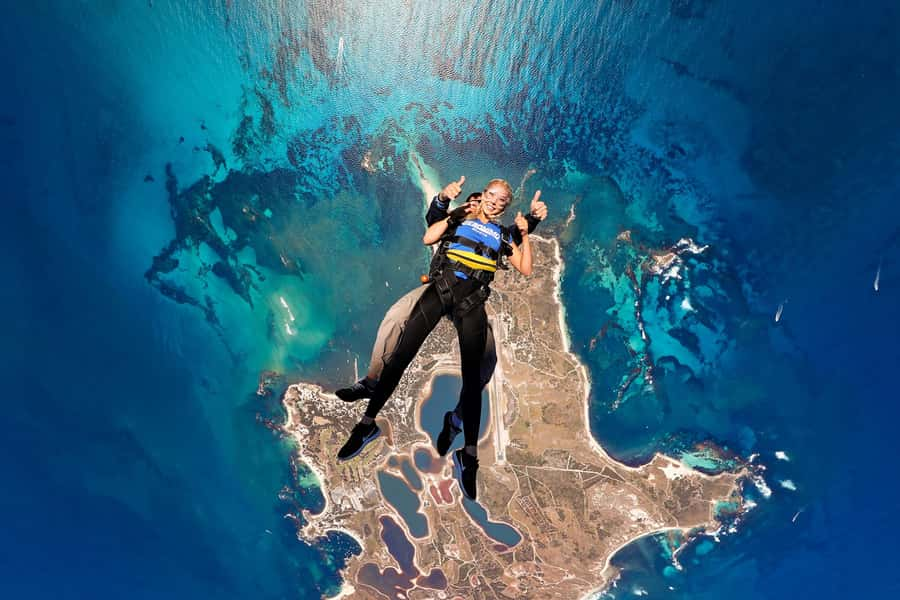
At the chosen altitude, you and your instructor leave the aircraft together. The free-fall reaches about 200 kilometers per hour, lasting around 30 seconds from 10,000 feet or up to 66 seconds from 15,000 feet.
Your instructor manages the tandem setup and the parachute deployment. You are there to follow the instructions, take in the view, and experience the sensation of falling with the island below.
The team’s emphasis on safety is one of the most praised parts of this activity. That does not remove the fear of stepping out of a plane, but it gives you a clear process to follow. The instructor explains what you need to do and continues to monitor you during the jump.
A short free-fall can feel long when you are moving at speed. The 15,000-foot choice gives you more time to settle into the sensation, although some people may prefer the shorter version for a first attempt. I would choose based on your appetite for the free-fall, not simply on the promise of a bigger number.
Five minutes beneath the parachute
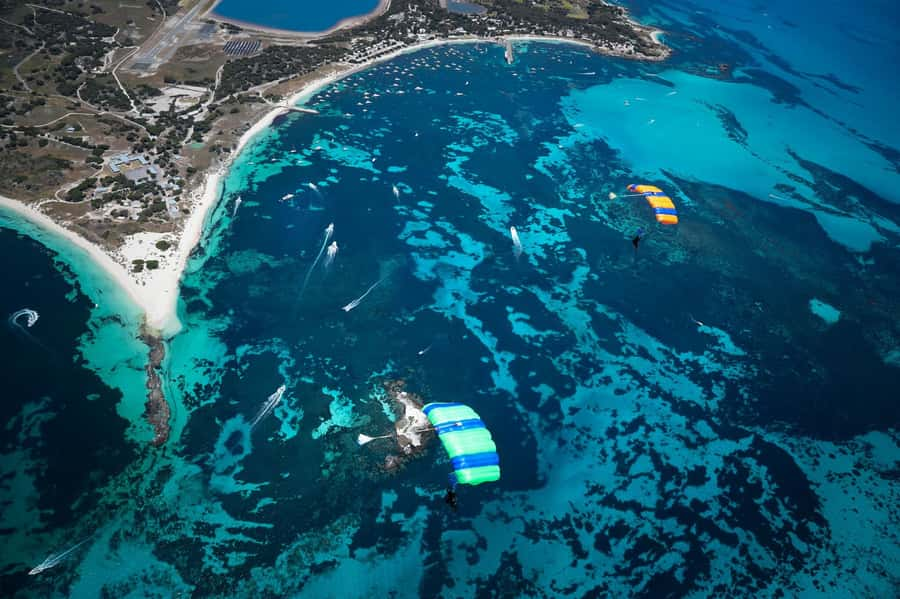
At 5,000 feet, the instructor deploys the parachute. The character of the activity changes at once from fast free-fall to a slower descent, with roughly five minutes to look around and prepare for landing.
This is the calmest part of the jump and the best chance to appreciate the setting. You can look toward the beaches and open island views instead of concentrating only on the fall. The parachute ride also gives your family or friends on the ground time to see you come in.
The landing takes place safely on the beach alongside family and friends. The supplied information does not give an exact beach name or guarantee that spectators can accompany you to a particular viewing spot, so keep that detail flexible.
If you are bringing someone who is not jumping, the beach landing adds a shared moment to an otherwise personal activity. It also makes the day less isolated for nervous first-timers. You are not simply returning to the terminal after the jump. You finish outdoors, close to the people who came with you.
Photos, video, and the rest of your Rottnest day
Professional high-definition video and photo packages are available to buy on the day. They are not included in the $365 price, and no advance booking is needed.
This is a useful choice rather than a required extra. A tandem jump passes quickly, and a recording can show the free-fall and the island view in a way that memory cannot. On the other hand, the additional cost is not provided here, so include it in your budget only if you are comfortable deciding after the jump.
Once the skydive is finished, you are free to explore Rottnest Island until the ferry leaves. The package does not include a separate island tour, bike hire, or a scheduled sightseeing route. You plan this part yourself around the return departure.
That freedom is valuable because the skydive does not fill every minute of a one-day visit. You can slow down after the jump, find food independently, or simply spend time on the island before heading back to the jetty. Keep an eye on the ferry time, since the return transport is fixed and the walk from your final stop to the jetty takes planning.
The ferry returns to Perth’s Barrack Street Jetty. Check your supplied tickets for the return time and operator, just as you do for the outbound trip.
Is $365 a fair price?
At $365 per person, the package is not a cheap way to reach Rottnest Island. It combines a tandem jump, same-day return ferry tickets from Perth, and the Rottnest Island admission fee, so the price should be judged as a bundled adventure rather than as a ferry fare with a small add-on.
The value is strongest if you already want to make a tandem jump and would otherwise need to arrange transport to Rottnest separately. You avoid putting together the ferry, admission, and skydive on your own, and the small group keeps the operation from feeling like a large mass activity.
The price is less appealing if your main goal is simply to visit Rottnest. The package is built around the jump, not around a guided island tour, and video and photos cost extra. You should also allow for food and any independent activities during your free time.
The reserve-now, pay-later option and free cancellation up to 24 hours ahead add flexibility, but the weather rules still matter. Confirming conditions before the ferry is part of the day’s responsibility, and a suitable booking time is not the same as a guarantee that the jump will operate in every weather condition.
Who should book this Rottnest package?
I would recommend it most strongly to a first-time tandem jumper who wants a major activity in a memorable setting and likes having ferry transport arranged. The instructor-led format, small group, repeated safety guidance, and beach landing make it approachable without pretending that the jump is routine.
It also suits a couple or family group with at least one person ready to jump and others happy to spend time on Rottnest. The landing near family and friends gives non-jumpers a role in the day, even though they do not take part in the flight.
You should think twice if you need a tightly timed itinerary, dislike waiting, or have a medical condition that may affect eligibility. The day depends on ferry timing, seasonal operating hours, instructor approval, and weather. People over 95 kilograms should contact the provider or be prepared for a case-by-case decision.
I would also avoid booking it as a casual add-on to a packed Rottnest schedule. The check-in time and ferry rules need attention, and the skydive deserves enough space in your day.
Final verdict: a strong choice for a first island skydive
Book this package if you want the central thrill of a tandem jump, the view of Rottnest from above, and a simple way to pair the activity with a day on the island. The strongest points are the 30 to 66 seconds of free-fall, the five-minute parachute ride, the careful safety process, and the fact that ferry transport and admission are included.
Skip it if you are mainly looking for a relaxed Rottnest visit or if weather and timing uncertainty would spoil your day. For the right person, though, the combination of Perth ferry, small-group instruction, high-altitude free-fall, and beach landing gives you far more than a standard island outing.
FAQ
Where does the experience begin?
It begins at Perth’s Barrack Street Jetty, close to Elizabeth Quay Train Station. You should arrive 30 minutes before your ferry departure.
Is the booking time the ferry departure time?
No. The booking time is your skydive check-in or meeting time. Your ferry tickets, sent within 48 hours, show the ferry departure time, port, and operator.
How do I get from the Rottnest jetty to the skydive meeting point?
You make your own way to the Rottnest Island Airport. The Rottnest Island Terminal Building at the airfield is about a 15-minute walk from the ferry jetty.
How high can I jump from?
You can choose a tandem skydive from 10,000 or 15,000 feet. The lower option provides about 30 seconds of free-fall, while the higher option provides up to 66 seconds.
How fast is the free-fall?
The free-fall reaches about 200 kilometers per hour. The instructor deploys the parachute at 5,000 feet.
How long is the parachute ride?
After the parachute opens, you can expect about five minutes under the canopy before landing on the beach.
What should I wear?
Wear comfortable clothes and enclosed sports shoes. Sandals and flip-flops are not allowed.
Who is not eligible for this activity?
The activity is not suitable for children under 16, pregnant women, people with heart problems, people with pre-existing medical conditions, or people over 95 kilograms. The chief safety instructor assesses eligibility on the day, and people aged 16 or 17 need an adult or legal guardian present.
Are photos and video included?
No. Professionally edited high-definition photos and video can be purchased on the day, with no advance booking required.
Just added around Perth
- Luxe Seafood Package with Round Trip Ferry from Perth★ 4.0 · 4 reviews
- Sealink Bike & Ferry Package from Perth to Rottnest★ 5.0 · 44 reviews
- Perth: Rottnest Island Ferry, Bike, Coffee & Lobster Roll★ 4.4 · 17 reviews
- Rottnest Island Ferry and 1.75 Hr Bus Tour★ 4.7 · 7 reviews
- Perth: Rottnest Island Flight Transfer with Return Ferry★ 4.6 · 7 reviews
- Hillary’s Harbour: Rottnest Island Skydive and Ferry Package★ 4.9 · 63 reviews
- From Perth: Rottnest Island Ferry & Bus Day Tour★ 4.6 · 76 reviews
- Rottnest Island Fast Ferry from Hillarys Boat Harbour Including Bike Hire★ 4.5 · 102 reviews
Perth Ferry Trips, compared.
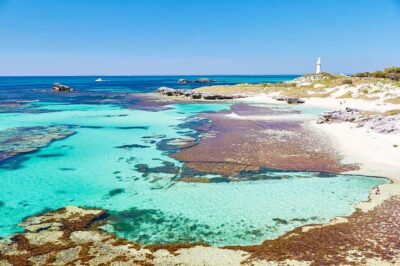
From Perth or Fremantle: Rottnest Island Ferry and Bus Tour
Read our review →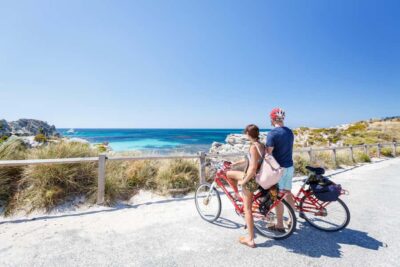
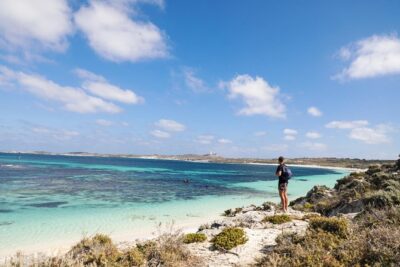
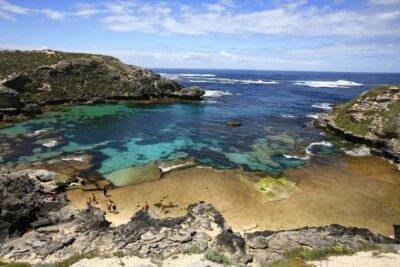
Adventure Rottnest Tour with Ferry & Adventure Cruise
Read our review →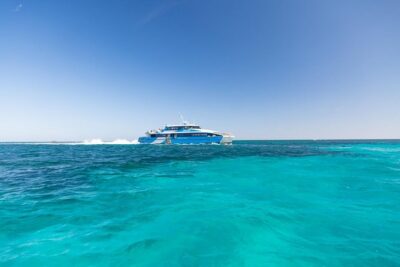
Perth to Rottnest Island Roundtrip Ferry Ticket
Read our review →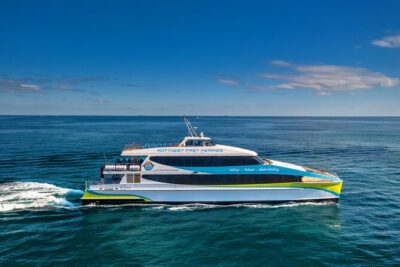
Rottnest Island Roundtrip Fast Ferry from Hillarys Boat Harbour
Read our review →Browse the lists this tour appears in